Samizdat
Samizdat, the Russian word “publishing for/by oneself,” was the counterculture parallel to the Communist state-approved literature that was being published in Czechoslovakia during the Communist era. Samizdat publishing began in the 1950s but gained momentum in the 1970s after the Prague Spring. Prague Spring was an attempt in April of 1968 by Alexander Dubček, the newly elected first secretary of the Communist Party of Czechoslovakia, to reform socialism and give it a “human face”. Media censorship was lessened until the Soviet Union, alarmed by these changes and the threat they posed, invaded Czechoslovakia in August 1968 and ended the reform. Under the careful watch of the Soviet Union, many of the reforms of Prague Spring were reversed, and a period of “normalization” of communist ideals was reinstated throughout the country.
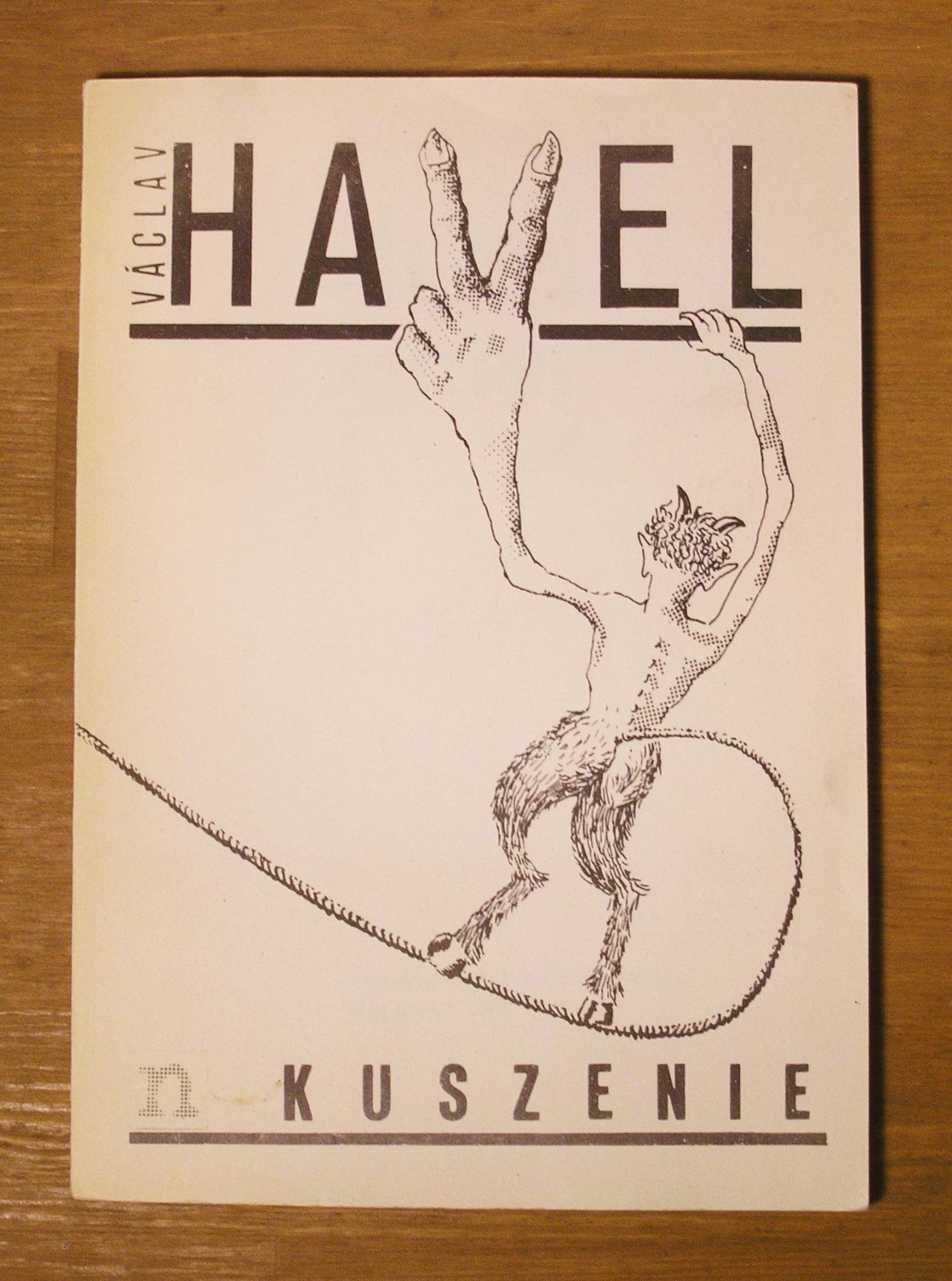
VÁCLAV HAVEL: Kuszenie. Samizdat, printed in Polish. Publishing House Nowa, Warszawa 1987.
Copyright Libri Prohibiti Society, Civic Association.
As a result of the normalization period, many authors who had spoken freely in opposition to the Communist government during Prague Spring now found themselves blacklisted and their books banned. Official publications required authors to demonstrate loyalty to Marxism, uphold proper class orientation, and maintain broad popular appeal—criteria that sharply limited the kinds of literary works available to the public. For blacklisted writers, the only way to continue sharing their work was through samizdat: informal, clandestine printing that allowed their texts to circulate secretly among readers and, at times, be smuggled abroad to reach international audiences. Samizdats were not confined only to literature, but also to video news sources, newspapers, and music. The disbanding of theater also led many to samizdat plays and printed art exhibitions that could not be shown in person, but were printed in secret and distributed underground from person to person.
Samizdat Publishing and Distribution
Samizdat books were typed on thin onion skin paper with up to nine carbon transfer pages behind the paper to aid in producing several copies at once. Strong keystrokes were needed to get through all nine pages, often leading to sore and aching wrists for those who typed them. Books were published out of flats and apartments, though it was expensive to print and the fear of shortages were rampant. Banned literature was also shared through Radio Free Europe, where people could tune in in secret and listen to smuggled texts being read over the airwaves. Despite the dangers and difficulties, samizdats were in high demand. The reading of self-published books thrived in big cities like Prague, and was more difficult to participate in smaller communities. Freely reading or writing was considered an act of rebellion against the regime.
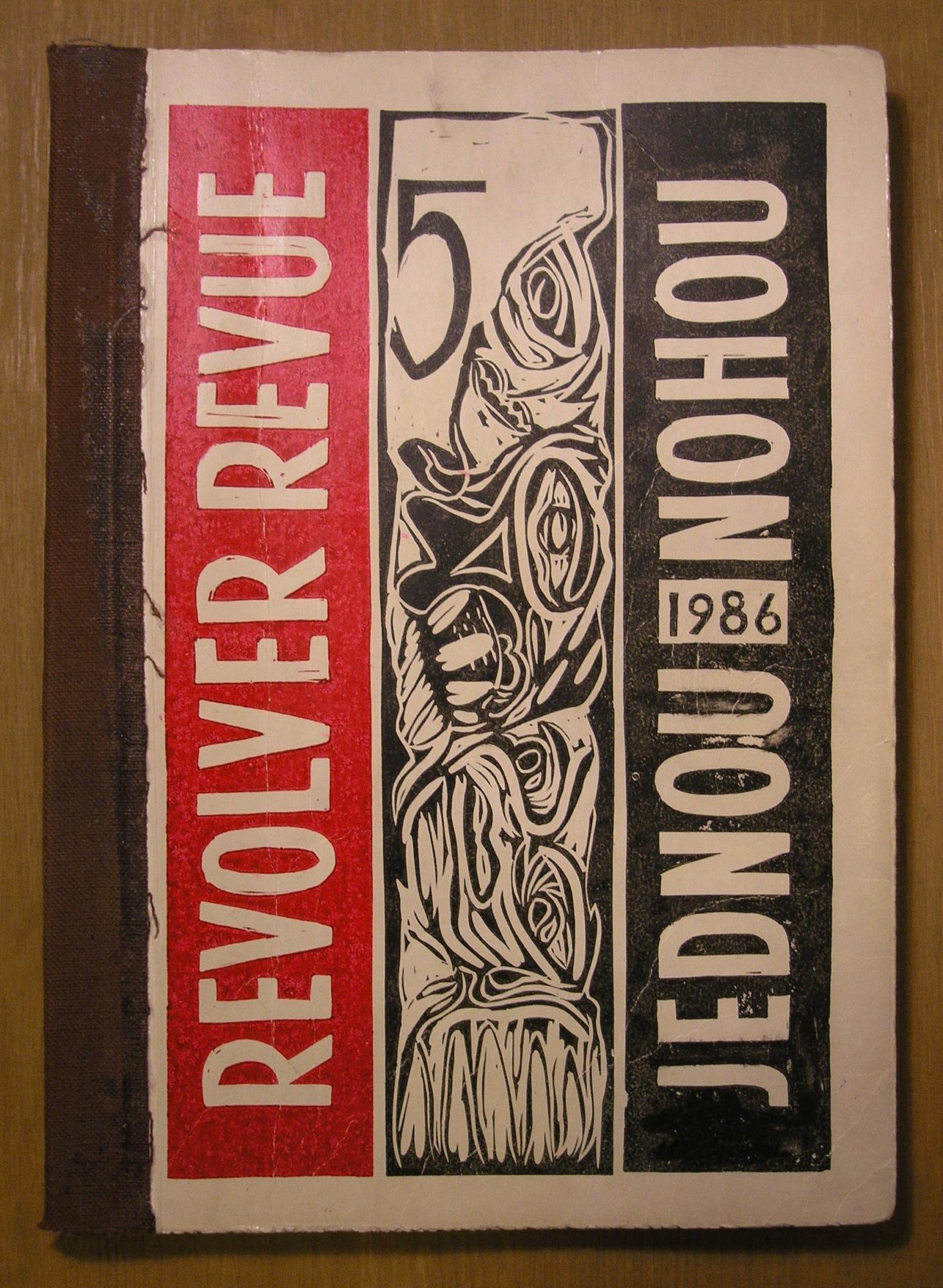
REVOLVER REVUE- ONE FOOT IN. Issue #5 from year of 1986. Samizdat magazine.
Copyrighted by Libri Prohibiti Society, Civic Association
Penalties from the Communist government for those caught writing, producing, reading, or in possession of samizdat in any of its forms were steep. Often this lead to arrests and official criminal charges being brought on those found with samizdat; these included charges of subversion of the Republic, disturbing the public peace, and unlawful enterprise and were followed by the confiscation of the banned material and detainment of the individual in possession of the literature. Authors and readers alike faced blacklisting, loss of employment, and even educational bans for their children, who were not allowed to continue past the ninth grade. Despite these dangers, Czechoslovak dissidents created extensive underground publishing networks that spread of the readership of these samizdat across the country and internationally.

Jiřina Šiklová
From Wikipedia
The samizdat network involved the collaboration of many like-minded individuals who valued freedom of the press and ideas, and often took on several different roles within the network to help spread these banned works. Those who smuggled the manuscripts to the west played a major role in ensuring that the manuscripts survived and that they were able to reach a wider audience. Jiřina Šiklová was one of the main organizers when it came to the underground logistics of the samizdat network in Czechoslovakia. Šiklová was known for her political engagement and work in gender studies, and was one of the intellectual catalysts for Prague Spring. Following the normalization period, she was often brought in and questioned by the police, but she continued her work in sociology research, even after loosing her job at the university. She and other women were often engaged in what Šiklová called “the dirty work” of samizdat: acting as letter carriers between male dissidents, copying letters on carbon paper, and the copy and distribution of samizdat literature with little acknowledgement for their roles. She organized the courier network that smuggled the manuscripts abroad so they could be published in the west and then smuggled back into Czechoslovakia.

Vilém Prečan
Photograph by Ondrej Nemec, from the Václav Havel Library
Another important member of the samizdat network was Vilém Prečan, a historian who worked closely with Šiklová. In the 1970s, he was expelled from the Communist Party and lost his job at the Academy of Sciences. He began working as a janitor and publishing in the exile press as well as samizdat forms. In 1976, he immigrated to Germany where he continued his work in history and eventually founded the Czechoslovak Documentation Center for Independent Literature in 1986, which collected and archived the smuggled samizdat manuscripts. This became an "information highway" for the samizdat, and focused on the preservation of what was constantly under threat of seizure by the Communist state.
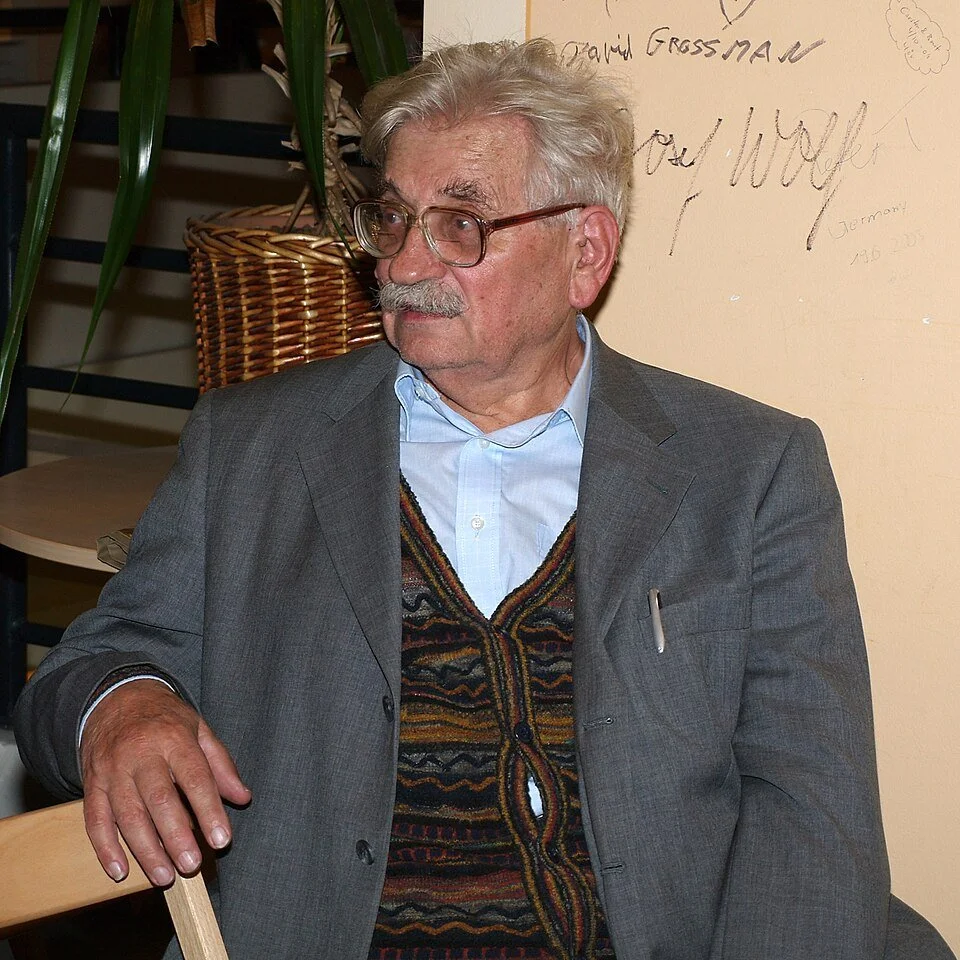
Ludvík Vaculík
From Wikipedia
In Czechoslovakia, samizdat publishing houses opened up to cater specifically to the underground network of literature. One of the first of these samizdat publishing houses, Edice Petlice (Edition Padlock), was founded by Ludvík Vaculík in the early 1970s. Vaculík was the author of the famous Two Thousand Words Manifesto of June 1968 that contributed to the end of Prague Spring after sparking concern in the Soviet Union. His publishing house ran from 1973-1979, and produced hundreds of handbound books by banned Czech and Slovak authors. Vaculík often traveled the country with a brown briefcase and met with the banned writers, collecting the manuscripts and coordinating with underground typists who, using standard typewriters and carbon copies, typed the handwritten manuscripts. Although never jailed, he constantly faced harassment and humiliation at the hands of the Communist police force for his role in the production of samizdat and other forms of activism against the communist state.
Role of Samizdat Authors
Many samizdat authors, publishers, and distributers were heavily involved not just in illegal printing, but also in organizing against the Communist Party and were instrumental in the Velvet Revolution that brought about a peaceful transfer of power and the end of communism. Not only did they speak out against communism in their written works, but many became activists, working directly against the Communist Party.
Two such groups were Charter 77 and the Committee for the Defense of the Unjustly Prosecuted. Both were started in part by Václav Havel, a blacklisted playwright and author, in an attempt to fight for human rights he and other samizdat authors felt were being denied by the Communist Government. Charter 77 began as a manifesto denouncing the communist government’s failure to adhere to human rights laws and demanded the righting of wrongs committed by the government. The Committee for the Defense of the Unjustly Prosecuted was established to raise international attention to those who signed Charter 77 and were subsequently arrested. Many of those who signed the Charter 77 Manifesto and were involved with the Committee were also involved in the writing, production, and distribution of samizdat works.
Samizdat authors and producers also played a role in the Velvet Revolution, which began on November 17th, 1989, with the suppression of an anti-communist student demonstration that was met with violence from riot police. Massive demonstrations erupted across the country—marches, boycotts, strikes, and the symbolic rattling of keys to signal the regime’s end—all carried out nonviolently at the urging of Civic Forum, the movement founded by Havel and fellow samizdat authors in opposition to the Communist government. The Civic Forum party, and Havel, were instrumental in negotiations over the course of ten days of protests that eventually led to the resignation of the Communist Government and the peaceful transfer of power. Václav Havel, once a blacklisted playwright and samizdat author, was eventually elected as the president of newly freed Czechoslovakia.
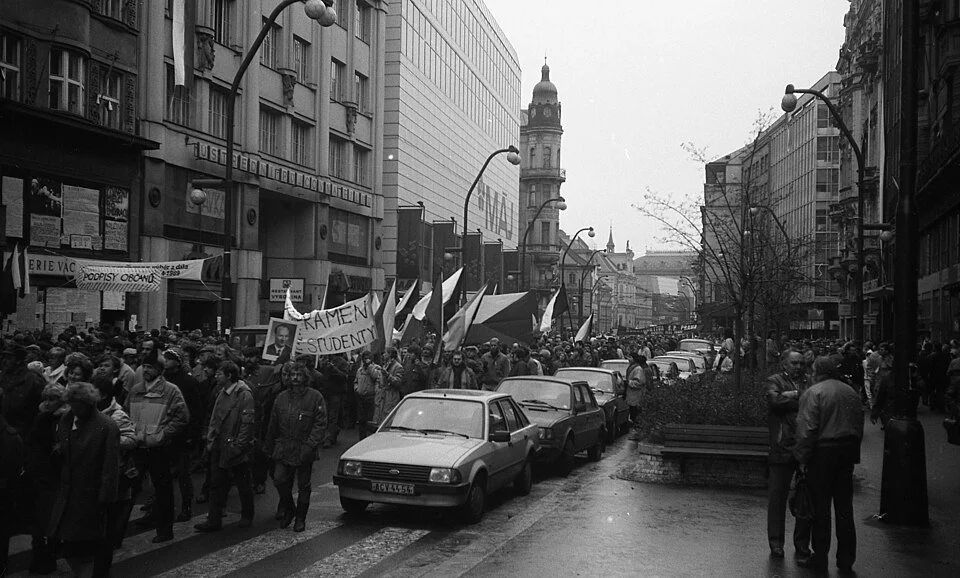
Street photo from the “Velvet Revolution” in Prague 1989
Photograph from Josef Šrámek’ family archive
Samizdat served as a lifeline for intellectual freedom, political dissidence, and cultural preservation in a time of extreme censorship in Czechoslovakia. It was instrumental in the political organization against the Communist Party, and highlighted the counter-culture of the times that the Communist Government could not completely uproot. Many banned authors faced not only censorship but also imprisonment or exile from the country they loved, yet their works continued to inspire people living under the regime as well as readers abroad.
Each of the authors and the books pictured below was at one time banned in Communist Czechoslovakia and only available in samizdat forms until the fall of communism.
Václav Havel (1936-2011)
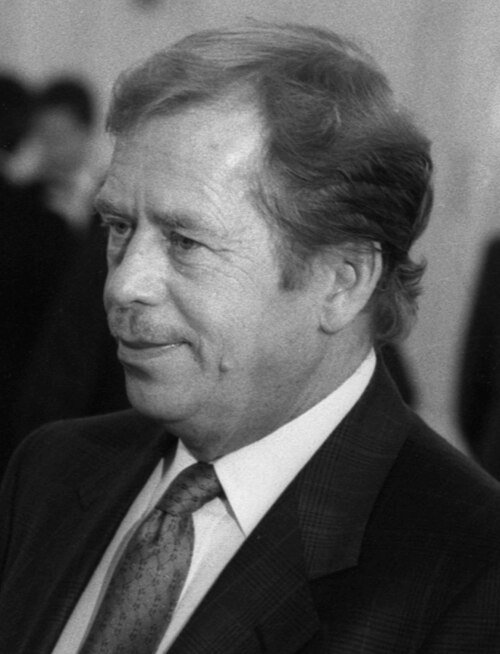
Václav Havel
Image from Wikipedia
Born into a bourgeois family, Václav Havel was barred from university study and instead began his career as a stagehand before becoming a playwright. His plays constantly critiqued the communist government in satirical and humorous ways, allowing him to escape censorship for a time. Havel was an active participant in Prague Spring, which led to his works being blacklisted, although many of his plays continued to be performed internationally. His works then turned to direct criticism of the Communist government, often being circulated underground in the country and smuggled out to international audiences. He served several prison terms for his actions, and his political essays written during his incarceration continue to be studied today. The Civic Forum Party, founded by Havel, was a major player in the resolution of the Velvet Revolution. He was elected President of Czechoslovakia after the fall of Communism and later became the first President of the Czech Republic following its 1993 split from Slovakia.
“...words are capable of shaking the entire structure of government, where words can prove mightier than ten military divisions…”— Václav Havel
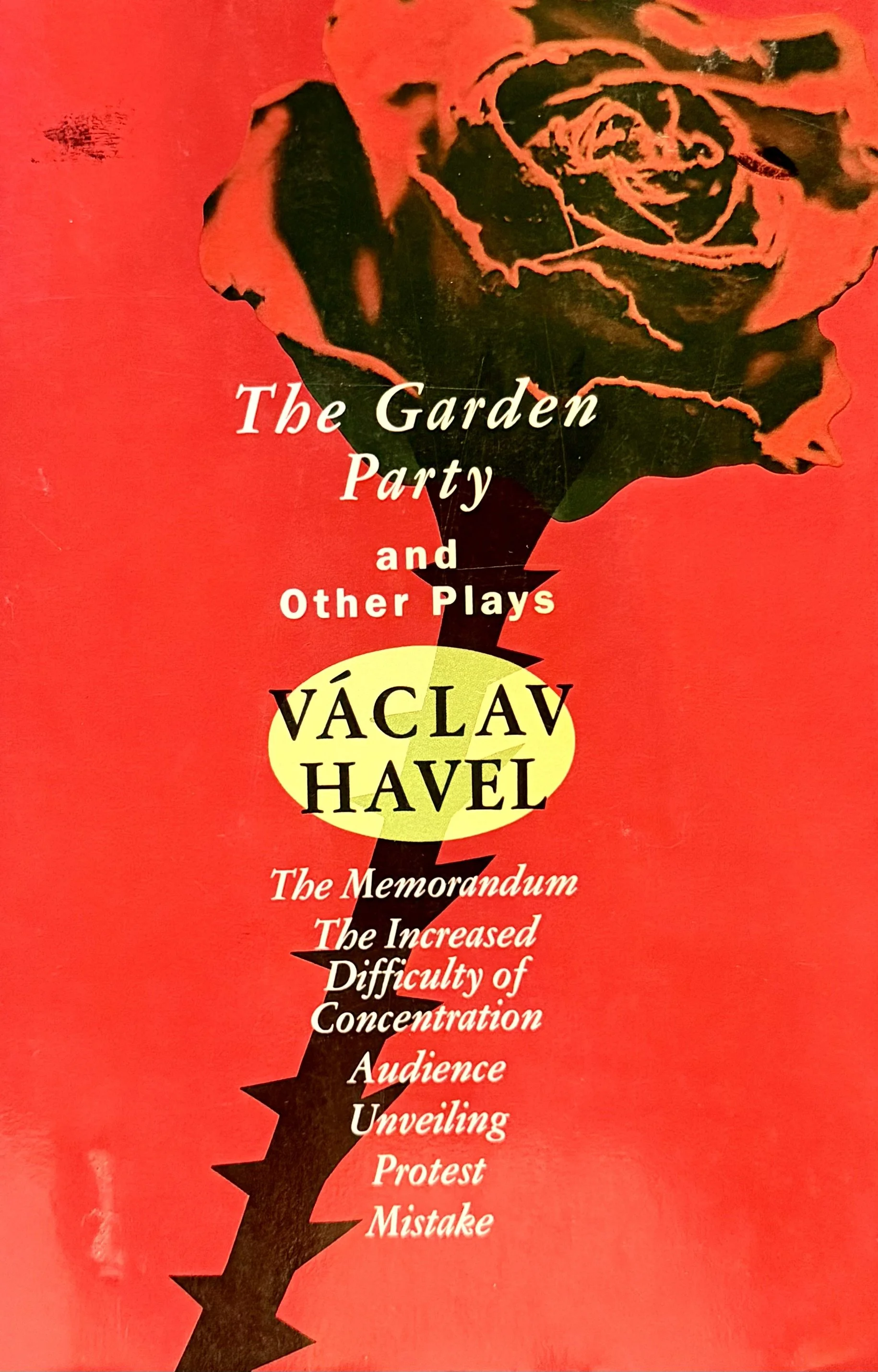
Author: Václav Havel
Genre Tag: Film and Stage
Publishing Date: 1993
Unique Identifier: 0-8021-3307-X
Language: English
The Garden Party, 1963
Published by Orbis Publishing House in Prague, Czechoslovakia
One of Havel’s first plays, The Garden Party is a satire of bureaucracy and its dehumanizing effects. The main character, Hugo Pludek attends a garden party held by the Liquidation Office in hopes of securing a job, but finds that everyone talks in corporate speak without actually saying anything. By the end of the play, Pludek has learned to navigate the corporate world and secures a position as the director of a newly created department, but at the cost of becoming so transformed that his family no longer recognizes him once he returns home.
Milan Kundera (1929-2023)
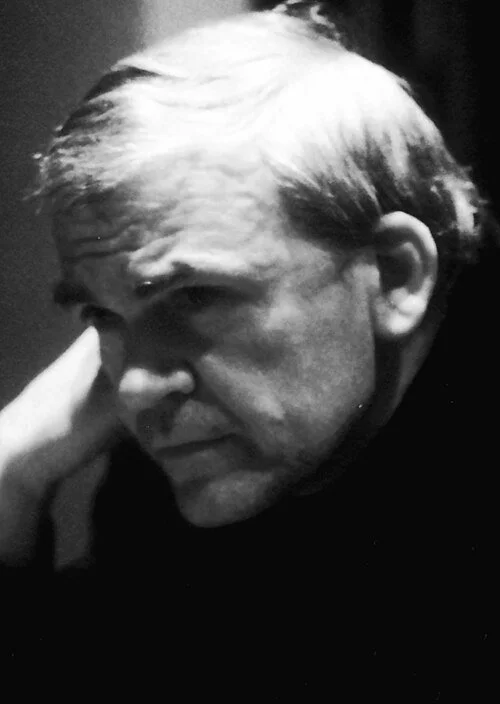
Milan Kundera
Image from Wikipedia
Like many other authors, Milan Kundera was active during Prague Spring, which led to his books being pulled from bookstores and libraries and cost him his teaching position. Although he saw himself as a novelist rather than a political writer, he strongly supported reforming the Communist Party, and several of his banned works included political commentary. He chose not to publish certain books in Czechoslovakia, fearing that they would be heavily altered under censorship. Kundera went into exile in France in 1975, with his Czechoslovak citizenship being officially revoked by the Communist Party in 1979.
“The first step in liquidating a people is to erase its memory. Destroy its books, its culture, its history. Then have someone write new books, manufacture a new culture, invent a new history. Before long the nation will begin to forget what it is and what it was.”— Milan Kundera in The Book of Laughter and Forgetting
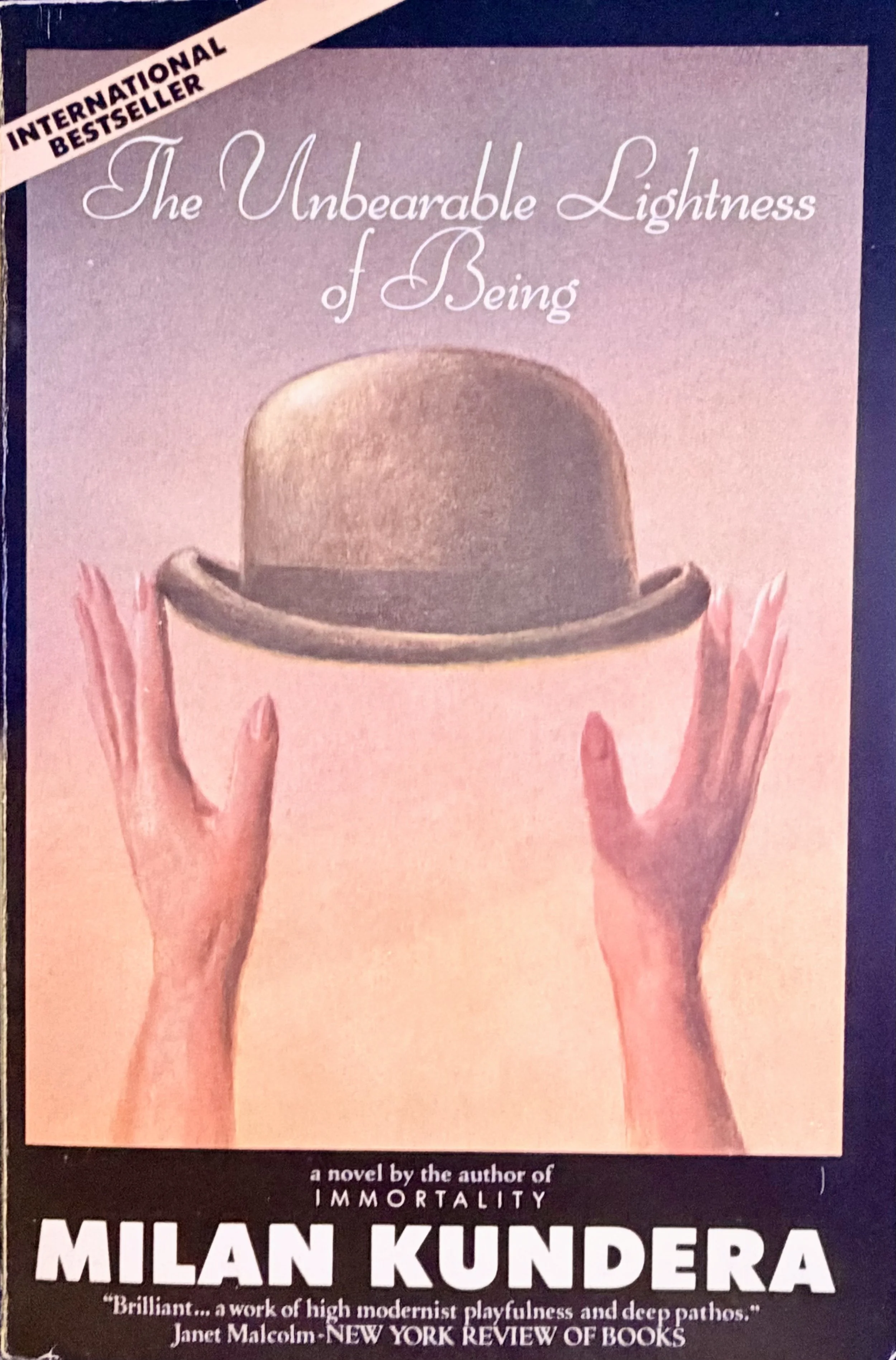
Genre Tag: Czech Fiction
Publishing Date: 1991
Unique Identifier: 0-06-091465-3
Language: English
Unbearable Lightness of Being, 1984
Published by Gallimard Publishing House in Paris, France
Written in the backdrop of Prague Spring and the ensuing period of normalization, Unbearable Lightness of Being follows Tomáš as he navigates relentless romantic entanglements alongside the era’s political upheaval and pervasive uncertainty. The book explores how lives are shaped by personal choices and events, and how private and public lives intertwine and influence each other. This is one of the last of Kundera’s novels to contain political critiques.
Josef Škvorecký (1924-2012)
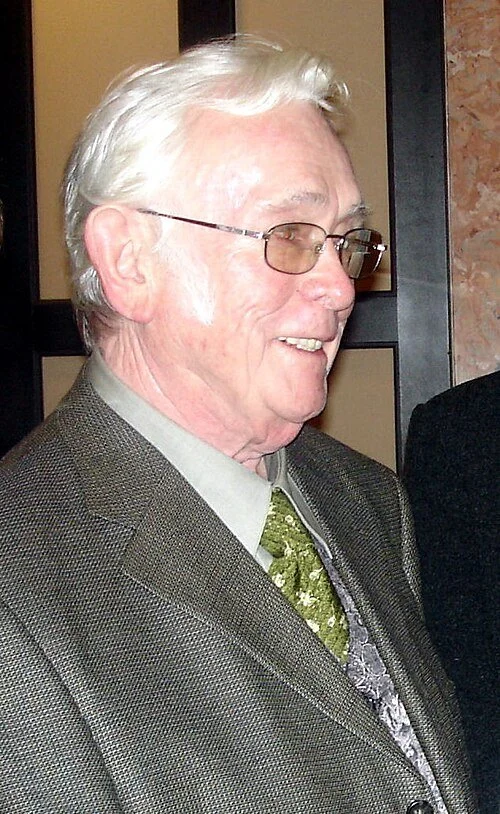
Josef Škvorecký
Image from Wikipedia
Škvorecký was a Czech-Canadian author born in 1924 who spent half of his life in Canada. His works deal with themes of the horrors of totalitarianism, repression, the expatriate experience, and the miracle of jazz. Škvorecký’s first two novels were condemned and banned by the Communist Party, costing him his job at the magazine where he worked. He fled to Canada after the Warsaw Pact invasion of Czechoslovakia following Prague Spring. In 1971, he founded 68 Publishers, which published banned Czech and Slovak books as well as Czech translations of other banned books. These works were then smuggled back into Czechoslovakia and featured some of the most prominent samizdat authors of the time, including Havel, Kundera, and Vaculík.
“To me literature is forever blowing a horn, singing about youth when youth is irretrievably gone, singing about your homeland when in the schizophrenia of the times you find yourself in a land that lies over the ocean.” — Josef Škvorecký
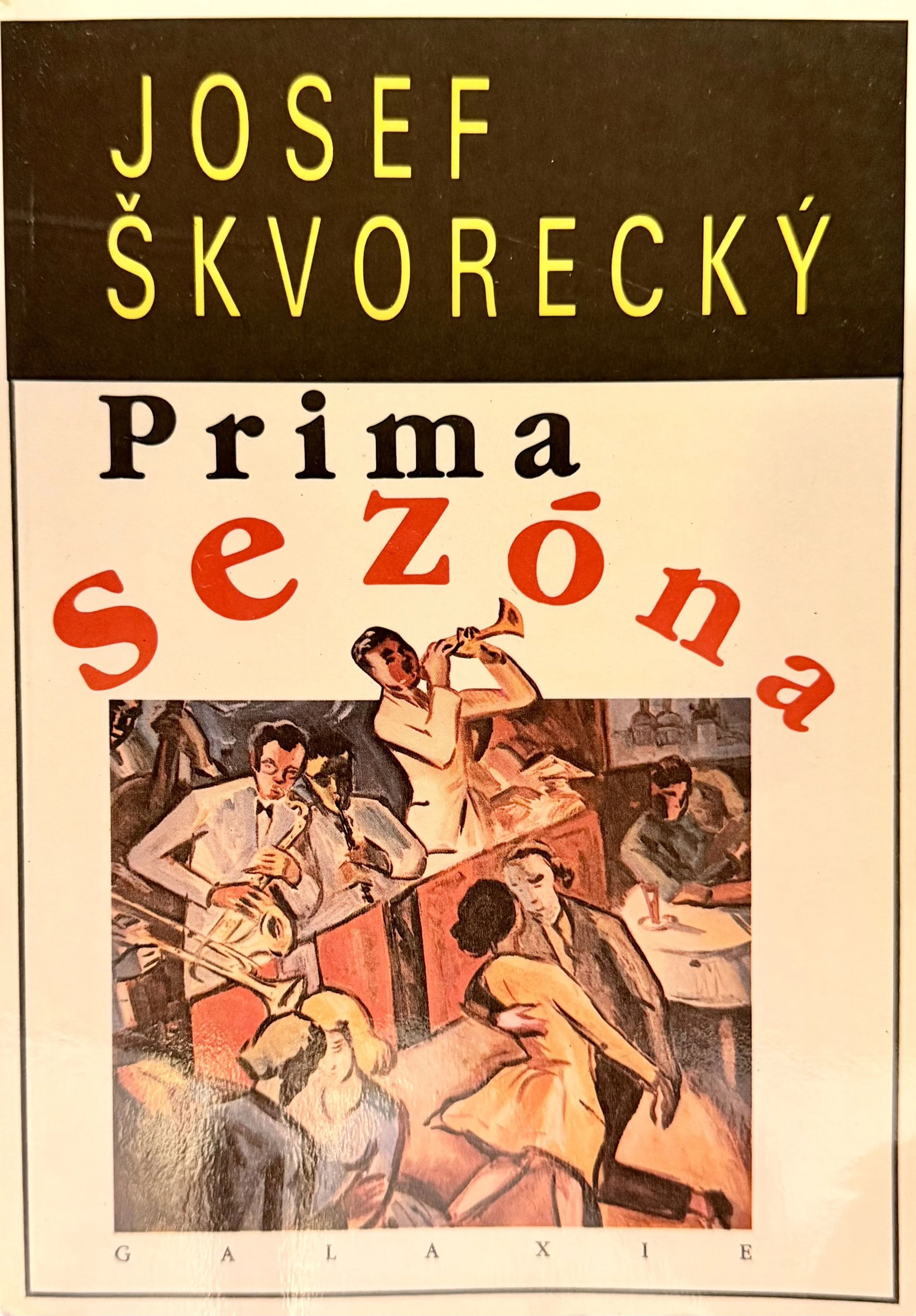
Genre Tag: Czech Fiction
Publishing Date: 1975
Unique Identifier: 80-85204-01-0
Language: Czech
Prima sezóna, 1975
Published by 68 Publishers in Toronto, Canada
The novel follows the adventures of Daniel Smiřický, a high school student obsessed with girls and jazz, during Nazi-occupied Czechoslovakia as he attempts to court six different women. However, something always goes wrong in his pursuits, and he is left with his music as consolation. Danny’s life and those of the other students are affected by the actions of the Protectorate of Bohemia and Moravia, offering a critique of oppressive regimes.
Arnošt Lustig (1926-2011)
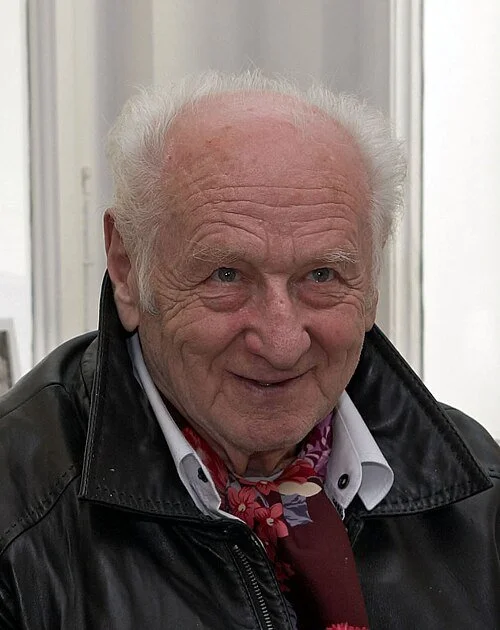
Arnošt Lustig
Image from Wikipedia
Lustig was a Czech-Jewish author who survived several concentration camps during World War II. He began as a member of the Communist Party but left in 1967, protesting its decision to sever ties with Israel after war broke out in the Middle East. Lustig became an intellectual force behind the Prague Spring and worked for Czech Radio during the movement. After the Prague Spring was crushed by the Soviet-led occupation of Czechoslovakia, he fled to the United States. His books were banned in Czechoslovakia after he defected but 68 Publishers, Škvorecký’s company, published them, smuggling them back into the country. His works focused on the need to share experiences and truth in the face of state silencing.
“I met so many very beautiful people during those years and most of them died. The only way to bring them back to life is to write about them. This is my responsibility” — Arnošt Lustig
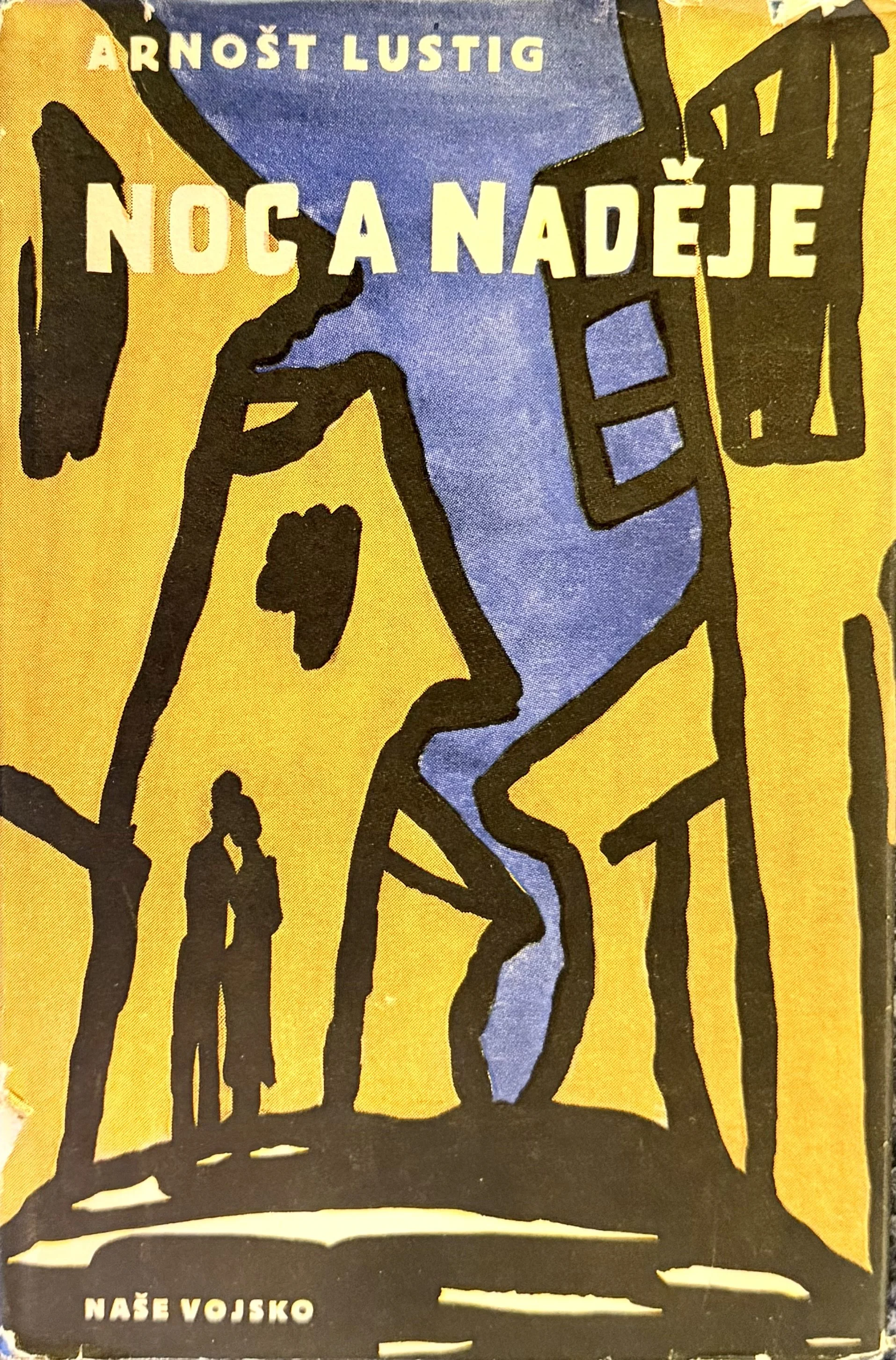
Author: Arnošt Lustig
Genre Tag: Historical Fiction
Publishing Date: 1958
Unique Identifier:
Language: Czech
Noc a naděje, 1958
Published by Naše vojsko in Prague, Czechoslovakia
This book includes a series of interrelated short stories about people living in the Terezin concentration camp. All are based on Lustig's own experiences and observations during his time in the ghetto. The book vividly captures life there, exploring the nature of personal identity and the search for meaning in a world where language, symbols, and everything has been turned upside down.
Jáchym Topol (1962-)
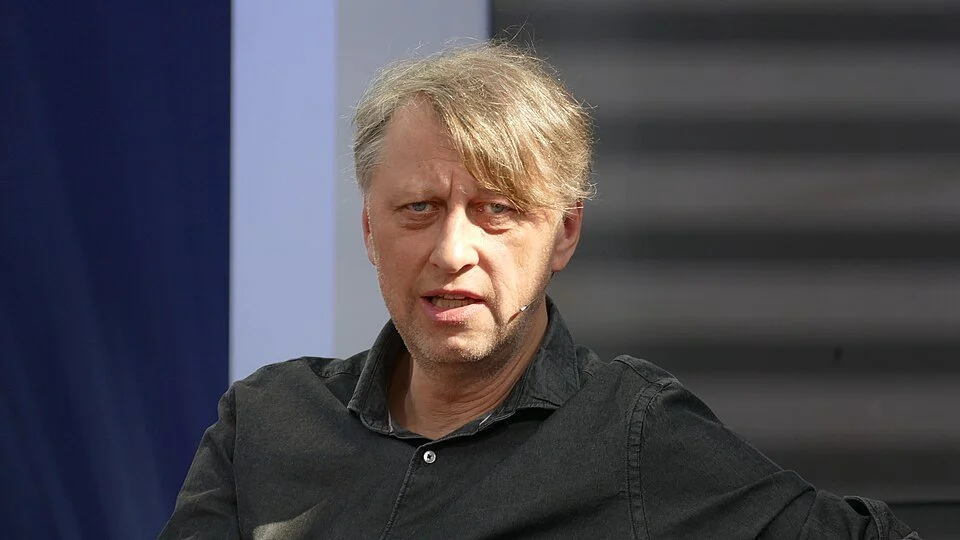
Jáchym Topol
Image from Wikipedia
Topol was banned from attending university by the Communist government due to his father’s dissident activities and instead found work at construction sites and delivering coal. He wrote lyrics for the band Psí vojáci (Dog Soldiers), led by his younger brother Filip, along with other subversive works. He helped found the samizdat magazines Violit (1982) and Revolver Revue (1985), where he began publishing his poems. Topol spent short periods of time in jail for being an active member of Charter 77, smuggling Czech literature into Poland, and other underground activities. In 1988 he received the Tom Stoppard prize for Unofficial Literature, awarded by the Charter 77 Foundation. He wrote his first novel Sestra (Sister, City, Silver) in 1994, which became a defining work of prose after the Velvet Revolution. His book Anděl (Angel Station) was made into a film “Angel Exit” in 2000, and Sestra was adapted to film in 2008.
“I have learned to use the language of people who were perhaps dangerous. I began to apply this language to literature. … and that works.” — Jachym Topol

Genre Tag: Czech Fiction
Publishing Date: 2000
Unique Identifier: 0-945774-45-1
Language: English
City Sister Silver, 1994
Published by Atlantis in Brno, Czech Republic
This novel expresses the dislocation and alienation felt by many Czechs after their freedom in 1989. The story follows a young man who is a businessman, gang member, and drifter as he tries to find his way in post-communist Europe. The book is divided into three sections, City, Sister, and Silver, with several dream sequences and nightmares. Its intentionally disorienting style captures the chaotic energy of the post-communist era.
Bohumil Hrabal (1914-1997)
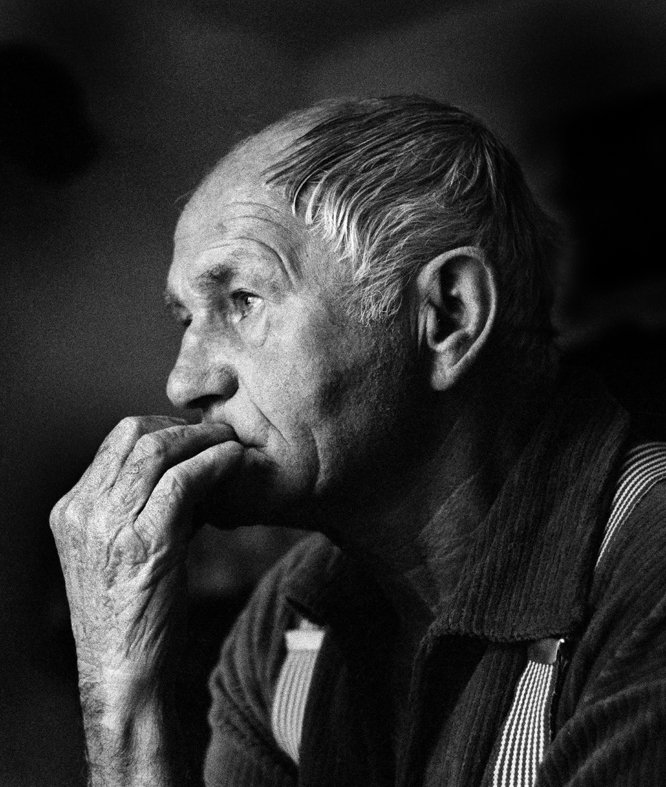
Bohumil Hrabal
Image from Wikipedia
Hrabal’s first work of poetry was published in 1948, before being withdrawn from circulation with the start of the communist regime. A few of his works were published under the new regime until the Warsaw Pact Invasion, after which they were heavily edited. Hrabal’s best-known books were published as samizdats. He went through a period of “political rehabilitation”, which involved writing and publishing a self-criticizing essay that allowed his works to be officially published again. Some saw this as a betrayal of the anti-communist movement, though others perceived it as the Communist government’s acknowledgment of Hrabal’s influence as a writer. His works focused on juxtaposing the beauty and cruelty found in everyday life. He is regarded as one of the greatest Czech writers of the 20th century, and his books have been translated into 27 languages. His novel Closely Watched Trains was made into a movie by Czech director Jiří Menzel and won the Academy Award for Best Foreign Language Film in 1968.
“Inquisitors burn books in vain. If a book has anything to say, it burns with a quiet laugh, because any book worth its salt points up and out of itself.” — Bohumil Hrabal in Too Loud a Solitude
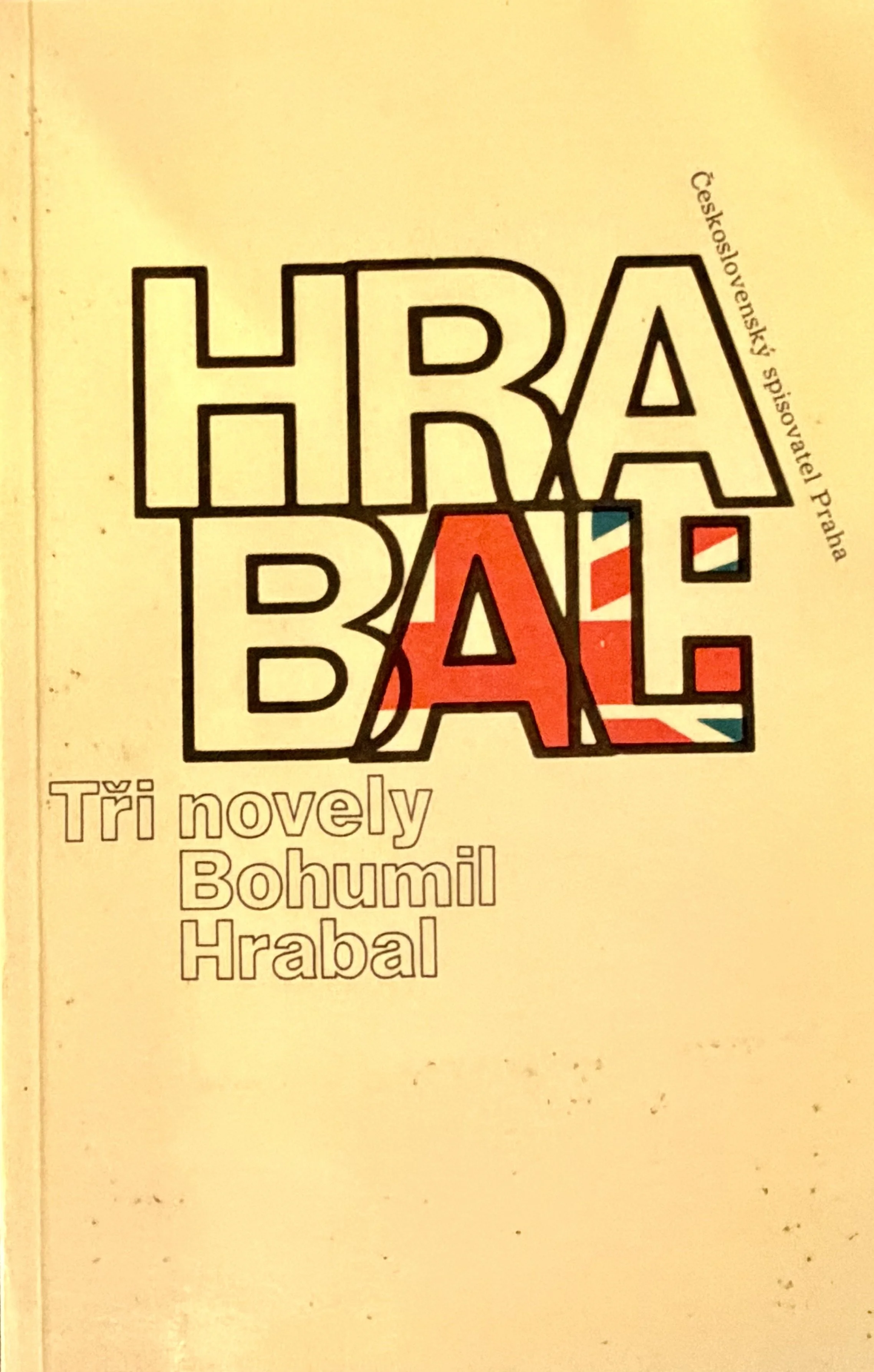
Author: Bohumil Hrabal
Genre Tag: Czech Fiction
Publishing Date: 1989
Unique Identifier: 22-043-89
Language: Czech
Tři Novely, 1989
Published by Československý spisovatel in Prague, Czechoslovakia
This book is a collection of three of Hrabal’s most well-known works, Closely Watched Trains, Dance Classes for the Elderly and Advanced, and I Served the King of England, all of which were banned and only available as samizdat at one point. Closely Watched Trains follows a young railroad apprentice’s coming of age in German-occupied Czechoslovakia. Dance Classes for the Elderly and Advanced depicts a shoemaker describing the adventures of his life to a group of sunbathing young women. I Served the King of England follows a waiter in the years before World War II as he serves an emperor and ultimately realizes his dream of building a hotel, only to lose it all when the communists come into power.
Ivan Klíma (1931-2025)
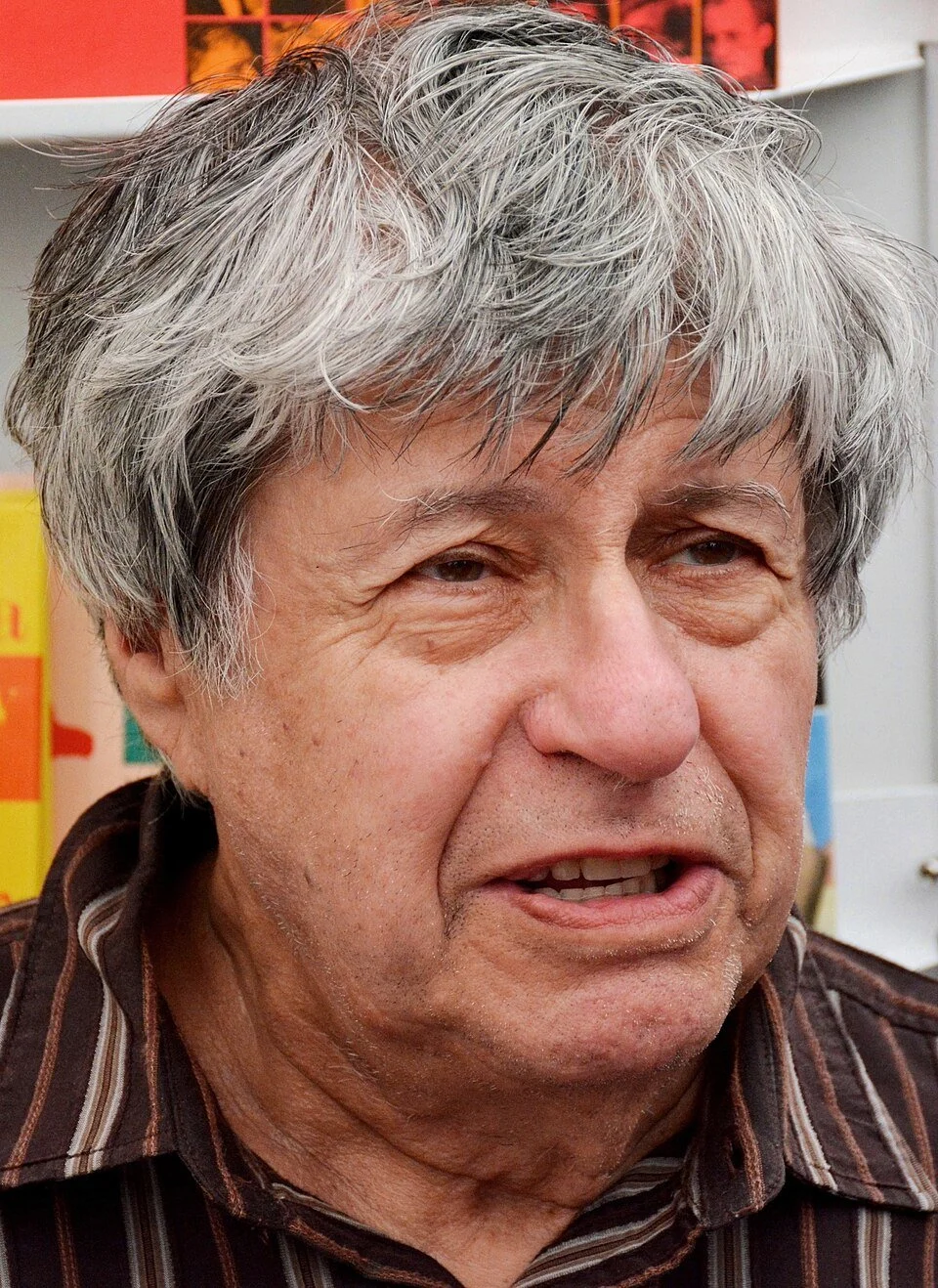
Ivan Klíma
Image from Wikipedia
Born Ivan Kauders to a Jewish family, Klíma was eventually deported to the Terezin ghetto where he spent his teenage years. It was during the three and a half years his family lived there that Klíma wrote some of his first works. After Terezin was liberated by the Red Army at the end of World War II, Klíma returned to school, where he continued to pursue writing and editing. His experience being liberated by the Red Army led him to join the Communist Party in the 1950s, though his faith in the party failed when his father was arrested and sentenced for crimes he did not commit. Klíma became the editor-in-chief of the Writer’s Union Weekly, where he began speaking out against censorship, leading to his expulsion from the Communist Party. As a result, his works were banned, forcing most of his works to be published as samizdat or internationally. Klíma continued to be able to write and publish some of his works in Czechoslovakia, unlike many other blacklisted authors, in part due to the relationship he had with his neighbor, Zdeněk Miler, who created the popular Little Mole character and fully returned to writing after the Velvet Revolution
“If we lose our memory, we lose ourselves. Forgetting is one of the symptoms of death. Without memory we cease to be human beings.” — Ivan Klíma
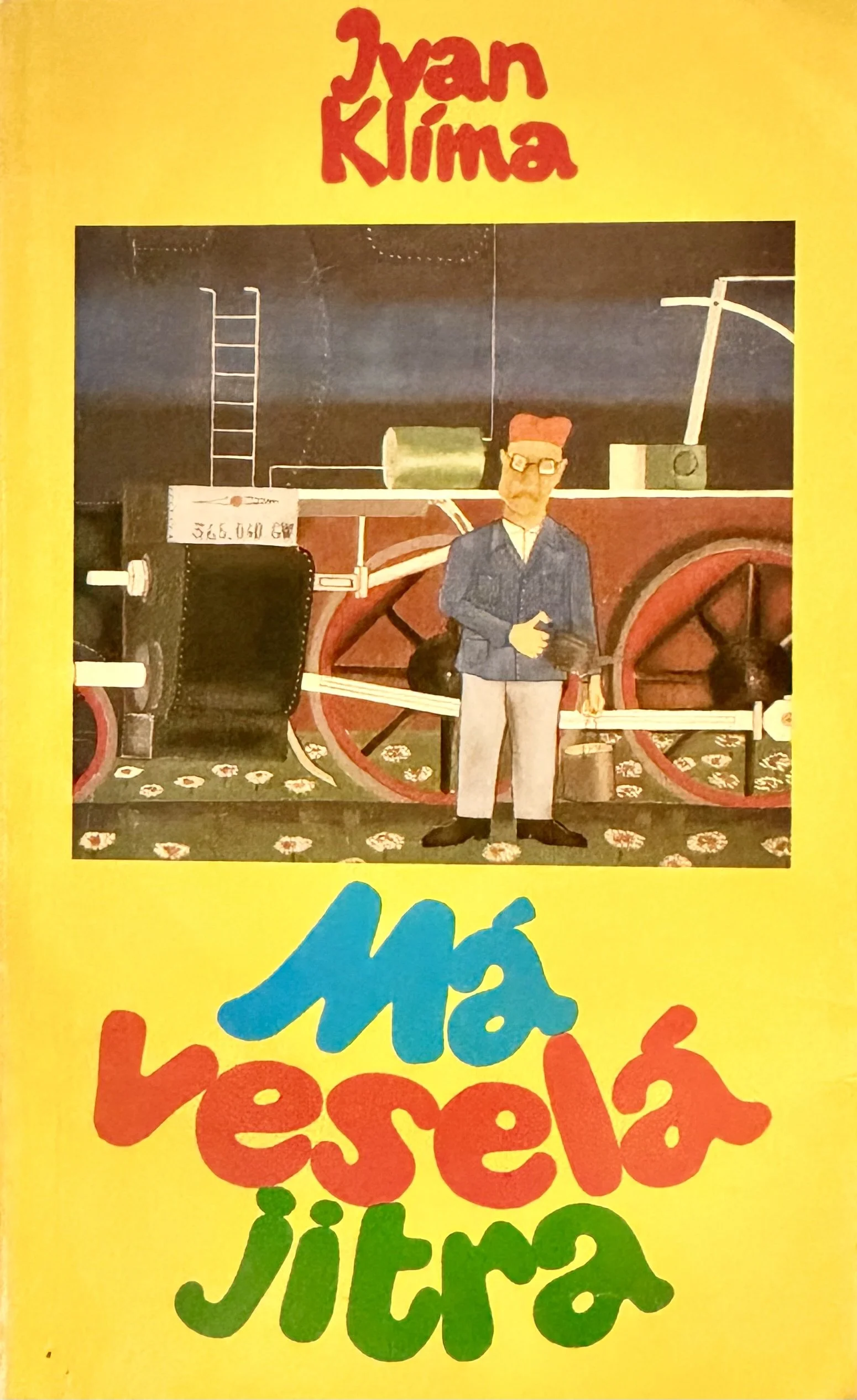
Author: Ivan Klíma
Genre Tag: Czech Fiction
Publishing Date: 1979
Unique Identifier: 0-88781-076-4
Language: Czech
Má veselá jitra, 1979
Published by 68 Publishers in Toronto, Canada
Má veselá jitra, or My Merry Mornings, is a collection of seven short stories, each written to represent one day of the week. Klíma included some of his own experiences working manual labor jobs after he was banned from publishing his work within the book, with each chapter following the narrator’s work at a different odd job. The book offers a satirical look at life in modern Czechoslovakia during the 1970s period of “normalization” and depicts Prague before the Velvet Revolution.
Karel Čapek (1890-1938)
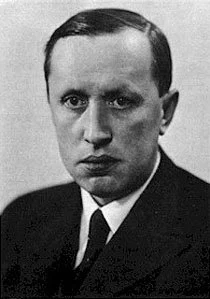
Karel Čapek
Born in 1890, Karel Čapek was a writer, playwright, and journalist known for writing politically charged works. He campaigned in favor of free expression and fought against both Fascism and Communism. His writing was heavily influenced by Cubism, a twentieth-century art movement that rejected naturalistic representation and traditional techniques of foreshadowing and perspective. Čapek’s earliest short stories and plays were co-written with his brother Josef. He also maintained close ties to political leaders such as Tomáš Masaryk, fueling his passion and active involvement in the early development of a free Czechoslovakia. His works defended democracy while also questioning morality and the limits of human knowledge. Although he had passed before the beginning of World War II; Čapek’s works were highly debated during both the Nazi occupation and the Communist era due to their political meanings. His works were not widely published or admired because they were considered too democratic and at odds with Fascism and Communism. Čapek’s works were banned by both the Nazis and Communists after his death, and were only published as heavily edited editions until after the fall of Communism.
“Art must not serve might.” —Karel Čapek
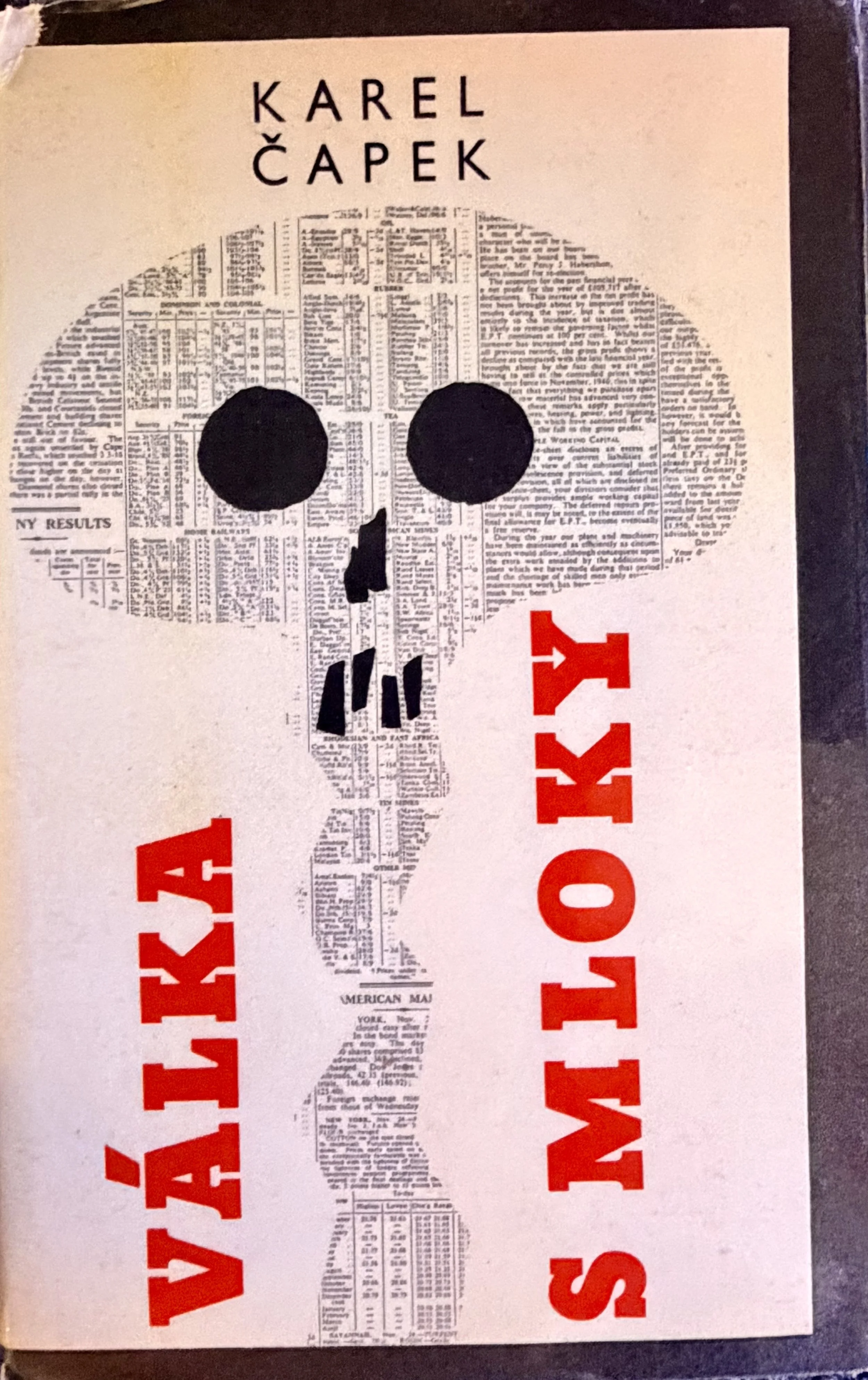
Genre Tag: Czech Fiction
Publishing Date: 1965
Unique Identifier: 01-092-65
Language:
Válka s mloky (War with the Newts), 1936
Published by Nakladatelství Fr. Borový in Prague, Czechoslovakia
This book is a science fiction novel that works as an allegory of early 20th-century Czech politics, particularly with the threat of Nazi Germany on the horizon. A colony of highly intelligent newts is discovered and initially enslaved and exploited by humans, only to later rebel against their captors. Their uprising triggers a planet-wide war between humans and newts. Although not published during the Communist period, the book was nevertheless banned, underscoring the reach of censorship in the era, when even the work of a dead author could be deemed dangerous and circulated only through samizdat.
Egon Bondy (1930-2007)
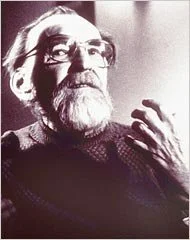
Egon Bondy
Image from Česká televize (Czech television)
Born Zbyněk Fišer, Bondy changed his name to a Jewish pseudonym when he started working with a surrealist group. He wrote over 50 volumes of prose and poems focused on individuals in conflict with society. All of these works were banned and possession of them was considered illegal by the Communist government, making them only available as samizdats. He started a publication house Edice Pulnoc (Midnight Edition) in the 1950s, producing some of the earliest samizdat editions of poetry, prose and essays. Bondy’s texts were used for lyrics for the band The Plastic People of the Universe, a group whose popularity made them a symbol of the counter-cultural movement in Czechoslovakia. Bondy was considered to be a revolutionary philosopher and although he thought of himself as a Marxist, he did not approve of the Stalinist regime in Czechoslovakia.
“Knowledge once achieved has a special quality…somehow it cannot be taken back, it cannot be erased from the history of humanity, it can only be surpassed by further, deeper knowledge.” —Egon Bondy
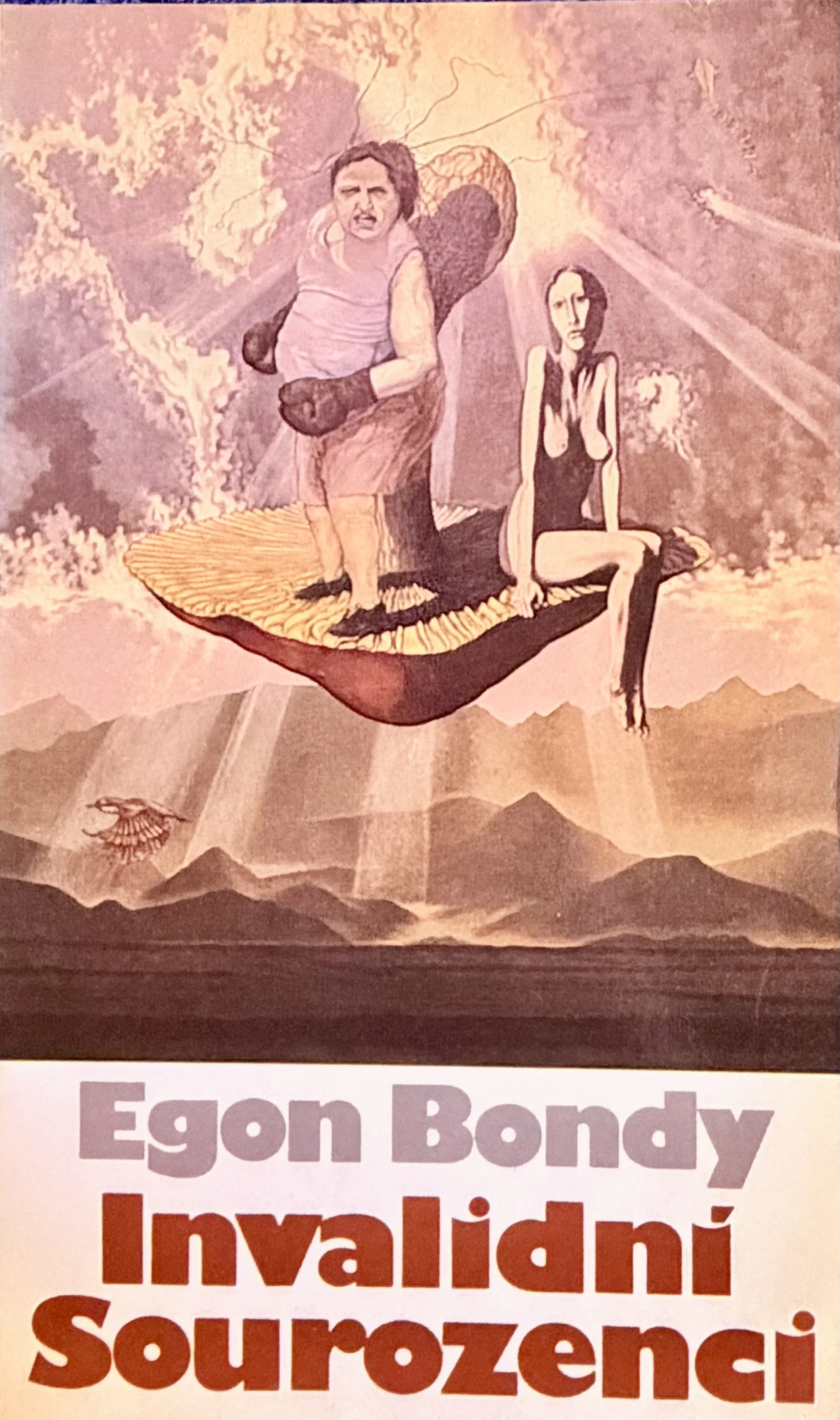
Author: Egon Bondy
Genre Tag: Czech Fiction
Publishing Date: 1981
Unique Identifier: 0-88781-104-3
Language: Czech
Invalidní sourozenci, 1974
Published by 68 Publishers in Toronto, Canada
The novel is set in the far future on the last piece of land surrounded by garbage where only the invalids– the outcasts of society– survive. The plot follows two siblings in their lives on this land, giving a satirical critique of the totalitarian regime ruling Czechoslovakia, and a celebration of the underground counter-culture of the time. It expresses a hopeful message that living outside of state power is possible.
The Legacy of Samizdat
Samizdat served as a lifeline for intellectual freedom, political dissidence, and cultural preservation in a time of extreme censorship in Czechoslovakia. It was instrumental in the political organization against the Communist Party, and highlighted the counter-culture of the times that the Communist Government could not completely uproot. Many banned authors faced not only censorship but also imprisonment or exile from the country they loved, yet their works continued to inspire people living under the regime as well as readers abroad.
The important role samizdat played in the historic movement against the Communist Regime continues to be preserved and celebrated in the Czech Republic and Slovakia. The manuscripts and other non-literary collections that Vilém Prečan preserved in Germany through the Czechoslovak Documentation Centre for Independent Literature were transferred to the National Museum in Prague in 2003.
On October 22nd, 1990, the Libri Prohibiti (Library of Banned Books), opened in Prague with the assistance of the Charter 77 Foundation, concentrating copies of samizdat into one location where they would be available to the wider public. At the time that it opened, the collection consisted of about 2,000 samizdat books as well as a small number of magazines and documents. It has since expanded its collections to include samizdat literature from other countries including Poland, Ukraine, and Russia, along with important documents and recordings concerning human and civil rights behind the Iron Curtain in Czechoslovakia and other areas of the Eastern Bloc. The Libri Prohibiti is currently the largest collection in the world, documenting the fight against the communist totalitarian regime, and holds special importance when it comes to the study of the history of that era. In 2013, Libri Prohibiti was added onto the UNESCO Memory of the World list, which aims at preserving the world’s documentary heritage, insuring that its importance is never forgotten.
Written by Anna Wallace and Tria Van Horn