In the modern-day Czech Republic, women make up roughly half of all university students, yet only 15% of university professors and 24.2% of researchers. Czechia ranks the lowest in Europe for the proportion of female researchers; in 2023, Croatia led with 49.1%. These disparities may reflect long‑standing attitudes toward women in academia and STEM fields, rooted in the patriarchal norms of the former Austro‑Hungarian Empire.
STEM — Science, Technology, Engineering, and Mathematics — has historically been viewed as a male‑dominated sphere in Czechia, even though women now represent two‑thirds of the medical workforce. This contrast raises an important question: How did women become integrated into Czech academia, and what do these inherited attitudes mean for women in Czechia today?
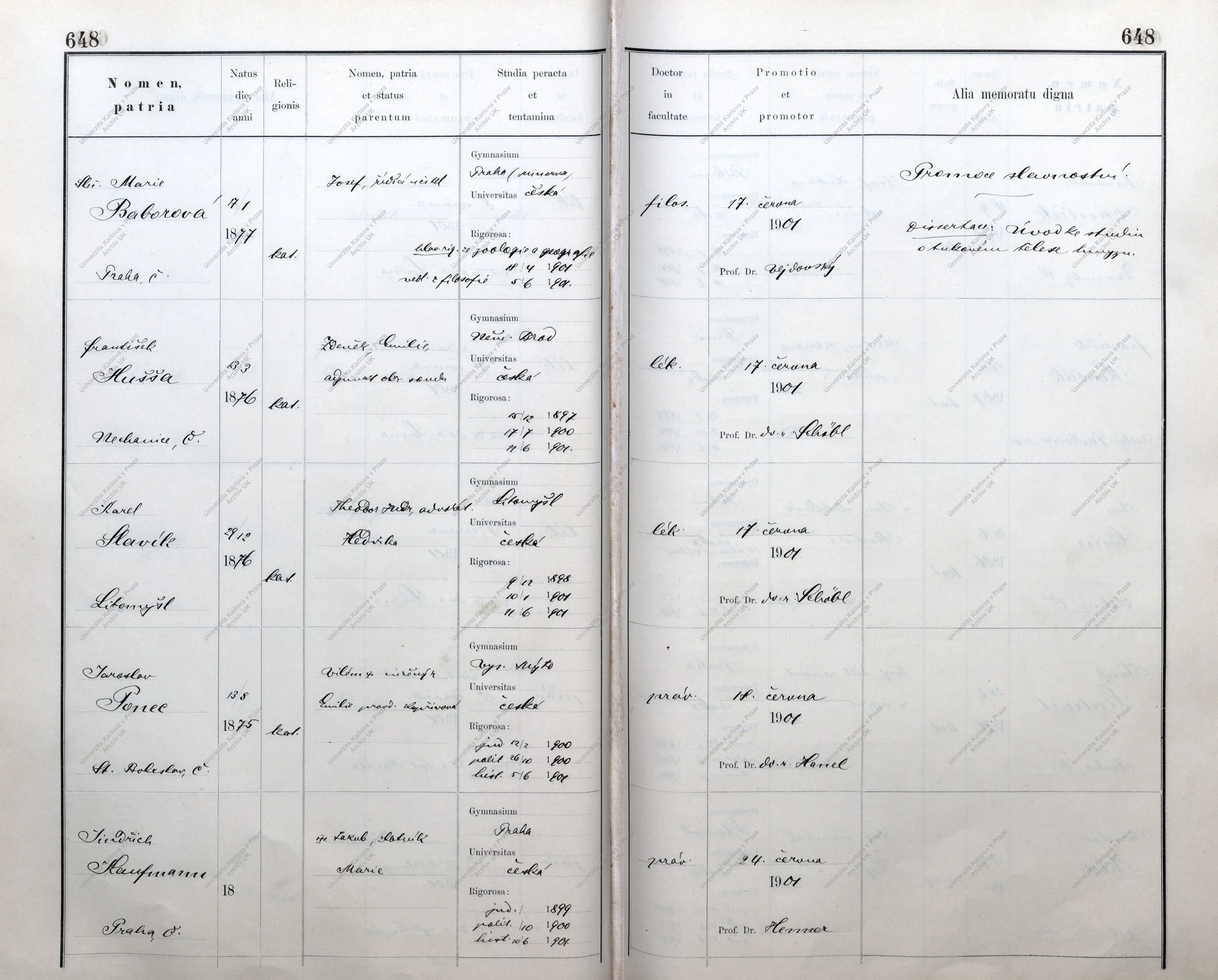
Book containing the registered doctors at Charles Ferdinand University now known as Prague University. Marie Zdenka Baborová's name is written at the top left.
Prior to the 1900s, women across the Czech lands were limited in their pursuit of education, notably higher levels like secondary school and university. Although basic primary education existed, girls past the age of 12 were largely excluded from further academic opportunities. Their schooling was deemed unnecessary —until change arrived in 1890.
That year, Eliška Krásnohorská successfully petitioned the Austro-Hungarian government for permission to open a secondary school for girls, offering an education equal to that of their male counterparts. Krásnohorská’s school, Minerva, became the first institution to prepare young women to attend tertiary schools. The graduates of Minerva would go on to become the first women admitted to Prague University, marking a pivotal shift in women’s access to higher education in Czech society.
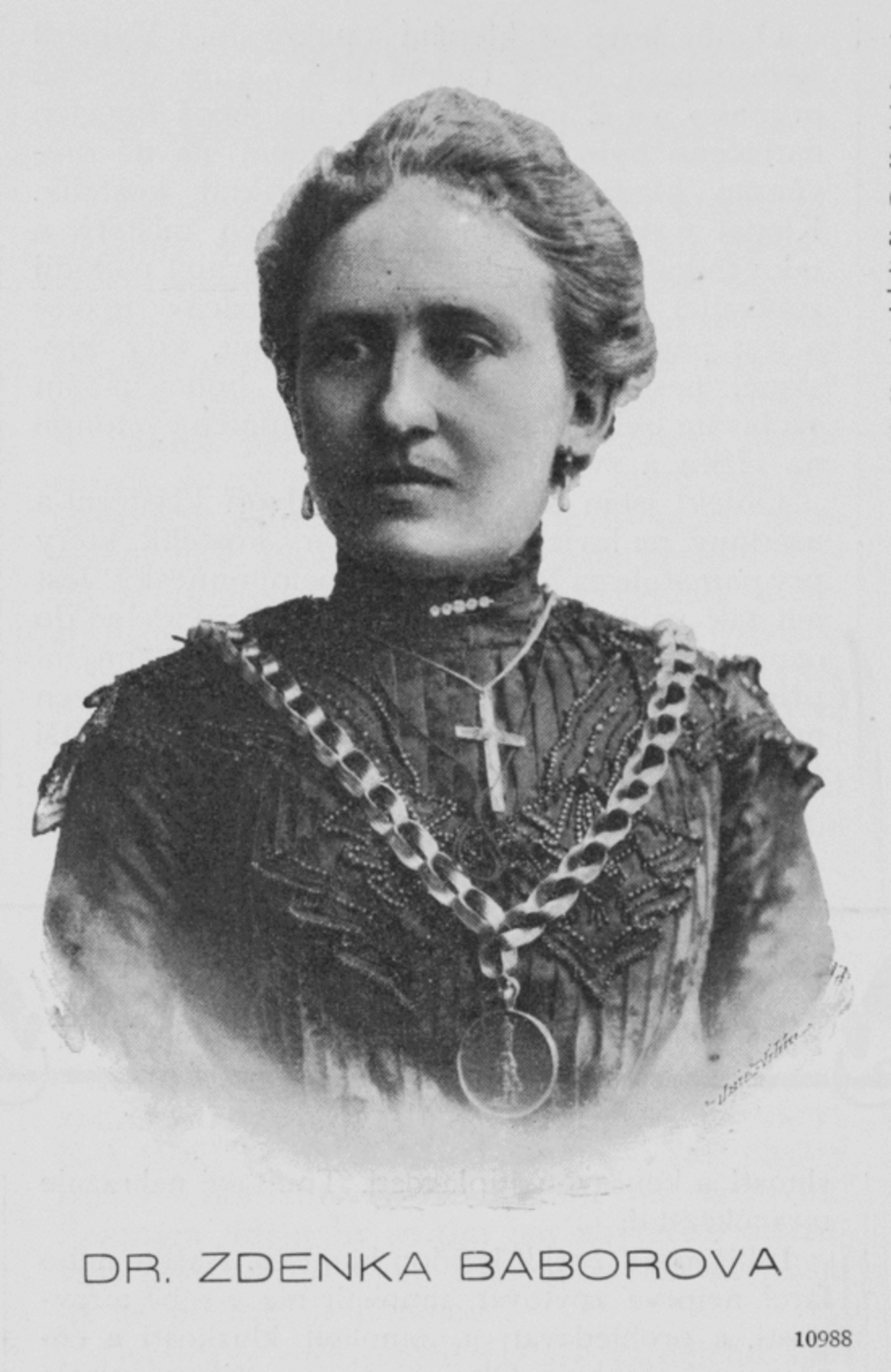
Photo depicts Marie Zdenka Baborová from Charles University.
One of these students was Marie Zdenka Baborová, born January 17, 1877. She attended Minerva and graduated despite the strict limitations placed on the institution. Although women could study at Minerva, they were not permitted to take their exams in the building. For Baborová, this meant venturing to an all-boys school to complete her exam separately before she could graduate.
This instruction allowed her to enroll at Prague University, where she earned her doctorate in philosophy in 1901, becoming the first woman in the Czech lands to do so. Her primary field was zoology, though she explored geography and several other disciplines, building a strong foundation for a career in science.
After completing her studies, Baborová embraced opportunities to travel across Europe and later lectured at the International Zoological Congress on the preparation of foraminifera and the fat body of insects. Women pursuing higher education were expected to remain unmarried and childless, yet Baborová defied convention. She married Stanislav Čihák and had two children, continuing her scientific work while contributing to contemporary scientific publications. Her achievements marked a significant step forward for women in academia and the sciences, demonstrating both her determination and her intellectual range.
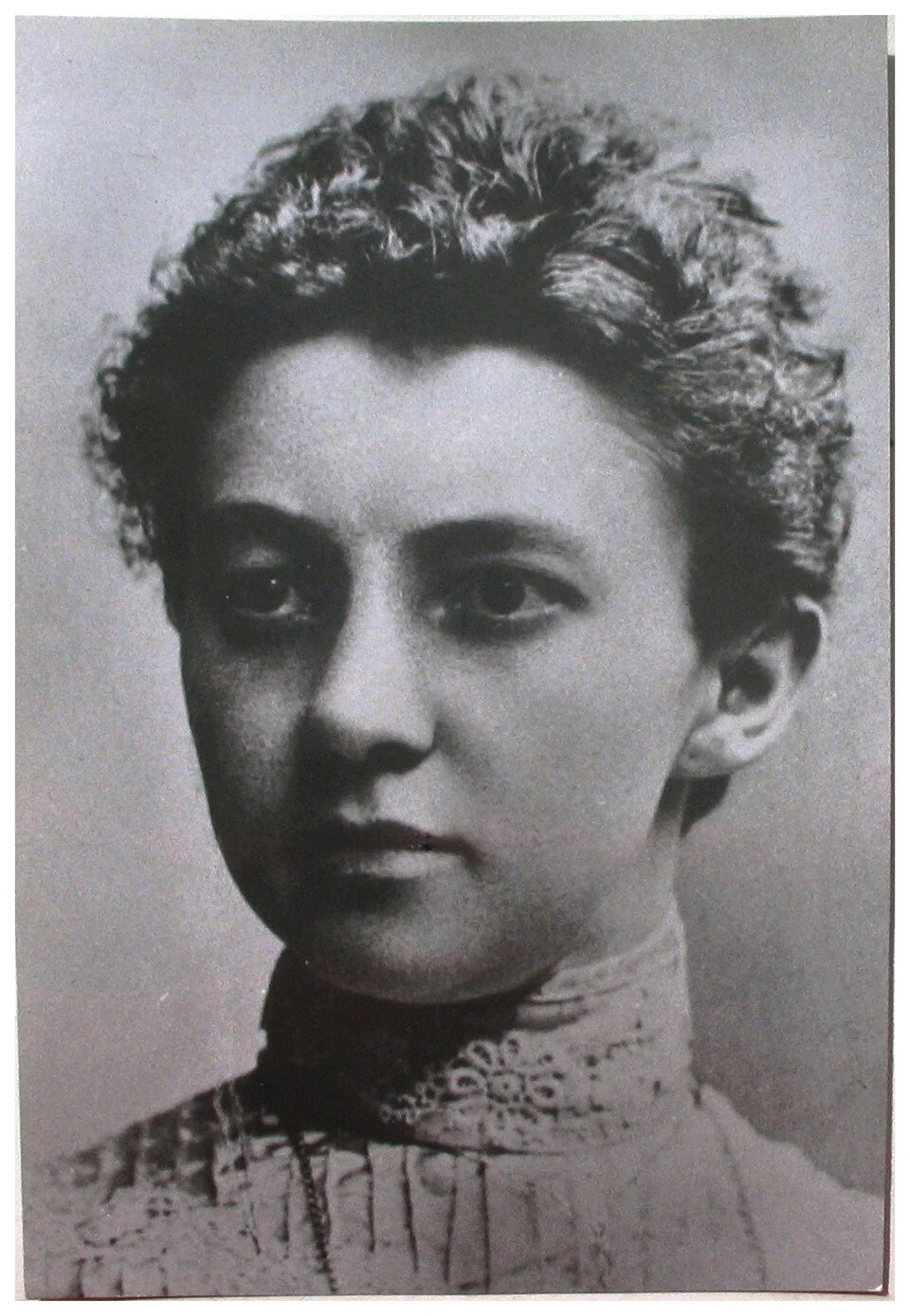
Anna Honzáková the Czech doctor and women’s activist.
In 1902, Anna Honzáková (born November 16, 1875) received her degree in medicine from Prague University, becoming the first Czech woman to do so. A former Minerva student, she faced significant obstacles throughout her studies. Although women were permitted to attend university, the Prague medical faculty did not formally accept them.
Honzáková attempted to enroll in the German Faculty of Medicine in 1896, but national unrest disrupted studies and prevented students from completing their coursework. In 1898, she transferred to Prague University and, by 1900, women were finally allowed to pursue full degree studies at the Faculty of Medicine. Only then was she granted the opportunity to demonstrate the knowledge she had long worked to acquire, often becoming a public spectacle in the process.
In the Austro-Hungarian Empire, women were widely considered the “weaker sex” and viewed as unfit for the medical profession. Oral exams were standard practice, but a woman in medicine was not. Crowds gathered in auditoriums, astonished to see her master complex medical concepts. Honzáková remained undeterred by prejudice from both her peers and onlookers.
After graduating in 1902, she worked without pay under a male physician. When he passed away, she struggled to find employment, so she started her own gynecologic clinic — servicing women of all social classes and financial means. Her perseverance not only advanced her own career, but also helped pave the way for future generations of women in medicine.
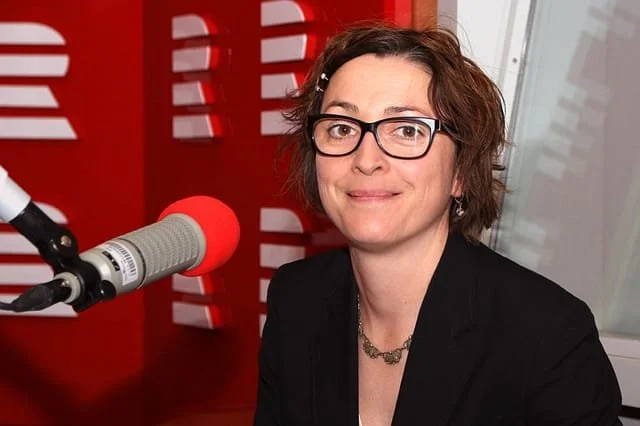
Marcela Linková, the director of the Czech Academy of Science’s Centre for Gender and Science. Photo: Šárka Ševčíková, Czech Radio
These women challenged the prevailing narratives of what a woman could do and who she could be. In doing so, they paved the way for future generations of women to pursue their passions and enter worlds that did not welcome them warmly. Yet many of the same attitudes that confronted Honzáková and Baborová persist today.
According to a UniSAFE report, 66% of women in academia report experiencing harassment, helping to explain why the number of women in higher education, research, and senior positions continues to decline. In an interview with Marcela Linková, director of the Czech Academy of Sciences’ Centre for Gender and Science, she points to cultural prejudice against women —not only within academic disciplines but especially in leadership roles— as a modern challenge facing women researchers. She also notes that societal views on motherhood contribute to the low number of female researchers; women who have children often see reduced opportunities for contract renewal, revealing how deeply these prejudiced ideals remain embedded. Women in modern-day Czechia are still expected to navigate and conform to societal expectations in order to pursue their careers, a reminder that the fight for equality in academia is far from over.
Raising the number of women in academia is no easy task. Even so, Linková suggests gender bias training, already used in other countries, and adequate childcare as meaningful steps forward. The consequences of having fewer women in academia and STEM are significant. When women are underrepresented, women’s issues are less likely to be researched, prioritized, or solved, Linková notes. She adds that this gap does not just silence women’s experiences; it also introduces bias into conclusions across a wide range of scientific and academic subjects.
The result is that every day women suffer as their needs go unnoticed and under-researched compared to their male counterparts. While new grant guidelines and updated evaluations of work readiness aim to address these inequities, the challenges remain. For women researchers and STEM professionals in Czechia, the fight is far from over; in many ways, it has only just begun. They continue to confront the very notions that shape the institutions in which they work.
Written by Taylor Hulse
Sources
Fraňková, Ruth. “What’s behind Czechia’s lowest representation of women in science?” . Radio Prague International. 27 December, 2024. https://english.radio.cz/whats-behind-czechias-lowest-representation-women-science-8838242 Accessed 9 July 2026.
“The first Czech female doctor graduated in Prague 120 years ago” Radio Prague International. 13 March, 2022 https://english.radio.cz/first-czech-female-doctor-graduated-prague-120-years-ago-8744399 Accessed 9 July 2026.
“Marie Zdenka Baborová: the first woman to earn a doctorate in the Czech lands” Radio Prague International. 14 June 2026.https://english.radio.cz/marie-zdenka-baborova-first-woman-earn-a-doctorate-czech-lands-8889321 Acessed 9 July 2026.
“Education of women and men, science and digitalisation” Czech Statistical Office. 23 October, 2025 https://csu.gov.cz/education-of-women-and-men-science-and-digitalisation?pocet=10&start=0&skupiny=30&razeni=-datumVydani Accessed 9 July 2026.
Zuzana Dupalová “What’s the situation of women in science in the Czech Republic today?” Czech Academy of Sciences. 11 February, 2023.https://www.avcr.cz/en/news-archive/Whats-the-situation-of-women-in-science-in-the-Czech-Republic-today/ Accessed 9 July 2026.
“Women in research and development: Germany lags behind” Statistisches Bundesamt. https://www.destatis.de/Europa/EN/Topic/Science-technology-digital-society/FemaleResearchers.html Accessed 9 July 2026.
Jastrzembská, Z., Pichová, D., Zouhar, J. (2020). Czech Women Philosophers and Scientists. Springer.https://dokumen.pub/czech-women-philosophers-and-scientists-9783030615154-9783030615161.html