Easter

Czech Wine: A Brief History

Take a quick journey through centuries of vineyards, tradition, and craftsmanship in our latest blog post. From medieval monasteries to modern Moravian wineries, Czech wine has a story worth savoring.

Dive in and discover the heritage behind every glass.

Koláče, Klobásníky, and Czech Cuisine

Koláče, Klobásníky, and Czech Cuisine

If you’re from Texas, you’re guaranteed to have tried kolache - a savory sausage wrapped in a roll of sweet dough. However, that name is misleading. A kolač (pronounced kolach) is actually a sweet pastry made of puffy dough with a fruit filling. Originally brought to the United States by Moravian immigrants, it’s now a widespread dessert and snack. The savory snack mistakenly referred to as kolache, is actually called klobasniky, and it has an interesting Texan origin.

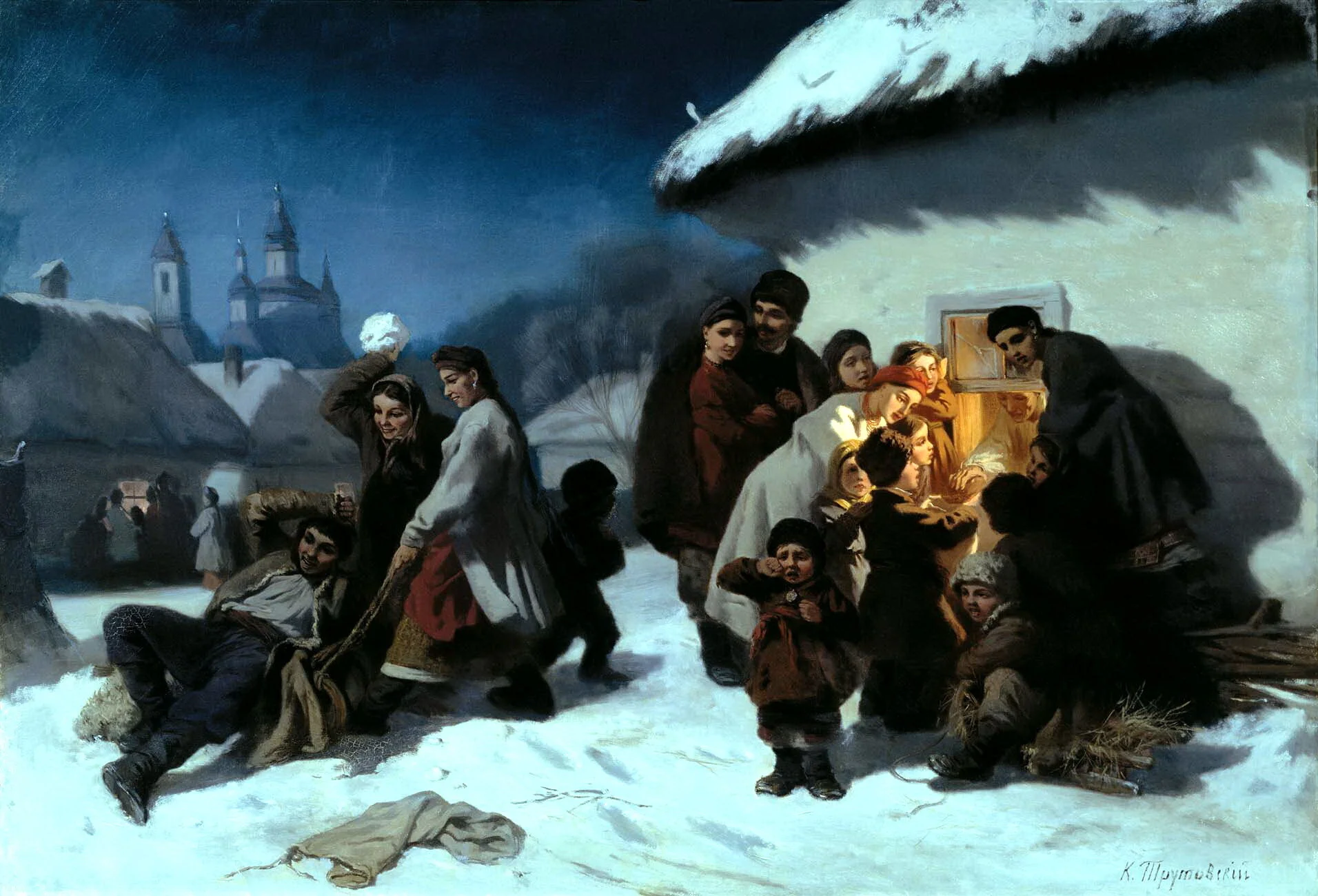
Koleda - Slavic Winter Solstice Festival

Koleda - Slavic Winter Solstice Festival

Koleda, or Koliada, is an ancient pre-Christian Slavic festival, marking the winter solstice. Ancient Slavs believed that during the dark and cold winter, the border between the spiritual and the mortal worlds is the thinnest. The purpose of Koleda was to bring new light to this dark period and prepare for the next year by blessing local households and keeping malevolent spirits away. For this reason, candles and bonfires were lit in preparation for Koleda to help the winter turn to spring and symbolize the return of the Sun. This gave the ancient Slavs hope and lifted their spirits during the depressing winter.

Green Thursday in Czech Republic

Maundy Thursday, or Zelený čtvrtek (Green Thursday) as it’s known to the Czechs, is the last Thursday before Easter. Maundy Thursday commemorates the Washing of the Feet and Last Supper of Jesus Christ with his apostles. But where did the name Green Thursday come from?