Jan Reich
Biography
Born on May 21st, 1942, Jan Reich was a renowned Czech photographer known for his black-and-white, large-format cityscapes of Prague and the surrounding countryside. In his youth, he saw photos from his grandparents’ lives which were sent to him from overseas, likely sparking his interest in photography at a young age.
As the Communist Party came to power in Czechoslovakia in 1948, Reich and his family faced major changes as the family lost their estate. The Reich family moved to Sudetenland where Jan began to photograph the remains of abandoned buildings in the area with his friends. As a teenager, he continued to pursue photography as a hobby, creating his first photographs of Prague and starting his future interest and fascination with the history and architecture of the city. In 1963, he joined the photographic cooperative Fotografia in Prague, where he learned how to use a large format camera.
Although Reich was rejected from his first attempts, he finally joined the Film and Television School of the Academy of the Preforming Arts (FAMU) in Prague, where he studied from 1965-1970. With the Soviet military intervention in Czechoslovakia in August of 1968, Reich lost much of his contract work with dozens of periodicals he photographed for. This loss of work eventually leaded him to defect to Paris, where he lived from 1969-1970, photographing the hubbub of the streets of Paris, often featuring people in his photographs, something his later work often omits.
Homesickness brought him back to Czechoslovakia within a year of his defection, where he had hoped to continue his same photography methods from Paris.
“But that was absolutely impossible. France is sunny. People spend time in the streets. They live there. In Prague, people were harried, everything was gray, fear was ubiquitous, and there was no joy. And so I wondered what I was going to photograph, and recalled the happy moments of my childhood. In that way I found vanishing Prague.”
His work on the Prague series gained him international recognition following the Velvet Revolution, with the book of his photographs becoming a best seller, allowing his photography career to take off.
Photography Work
At the beginning of Reich’s photography career, black and white photography was very popular. Reich himself was heavily influenced by the photography work of Josef Sudek, a fellow Czech photographer also known for his melancholic black and white photographs. When Reich became unhappy with the photos he was producing with a 35mm camera, he reached out to contacts at FAMU who were cataloging Sudek’s works and asked to buy Sudek’s large, wooden camera. Reich acquired three of Sudek’s cameras, which allowed him to take larger format photographs with more detail; he became well known for this attribute.
Reich used vintage silver gelatin prints to best showcase his work. Silver gelatin was a process developed in the 1880s that was shelf-stable and did not require manufacturing negatives before and after exposure. This allowed photography to become more portable and accessible, allowing photography to flourish in art scene for the first time. The paper used for this kind of photography consists of three layers: a paper base, a baryta (barium sulfate) layer in between, and an upper gelatin layer which contains light sensitive silver compounds that form the image after exposure and development in a chemical bath.
Silver gelatin prints were known for their smooth image surface and quick exposure time, only needing a few seconds of exposure to take the photograph. Because chemicals were needed to develop an image, the photographer could add different chemicals to change the tone of the photograph as well as to make the print more permanent, adding an extra layer of artistic subjectivity. During Reich’s time, this would have been a rather outdated means of taking photographs, yet it was his dedication to these antique methods that make his work so unique for his time.
Throughout his photography career, Reich’s work went through different phases or series, often subject to the areas he was living and the work he was performing at the time. Those periods are as follows:
Circus Series from 1964 to 1965. These photographs were taken during Reich’s time working as part of a circus crew and photographing those he knew personally.
Paris Series from 1969 to 1970. Works from this time period were taking during the year Reich spent in France after his defection from Communist Czechoslovakia following the Soviet Military intervention. These photographs often depict the bustling life of Paris streets, focusing more on the people rather than architecture seen in later series.
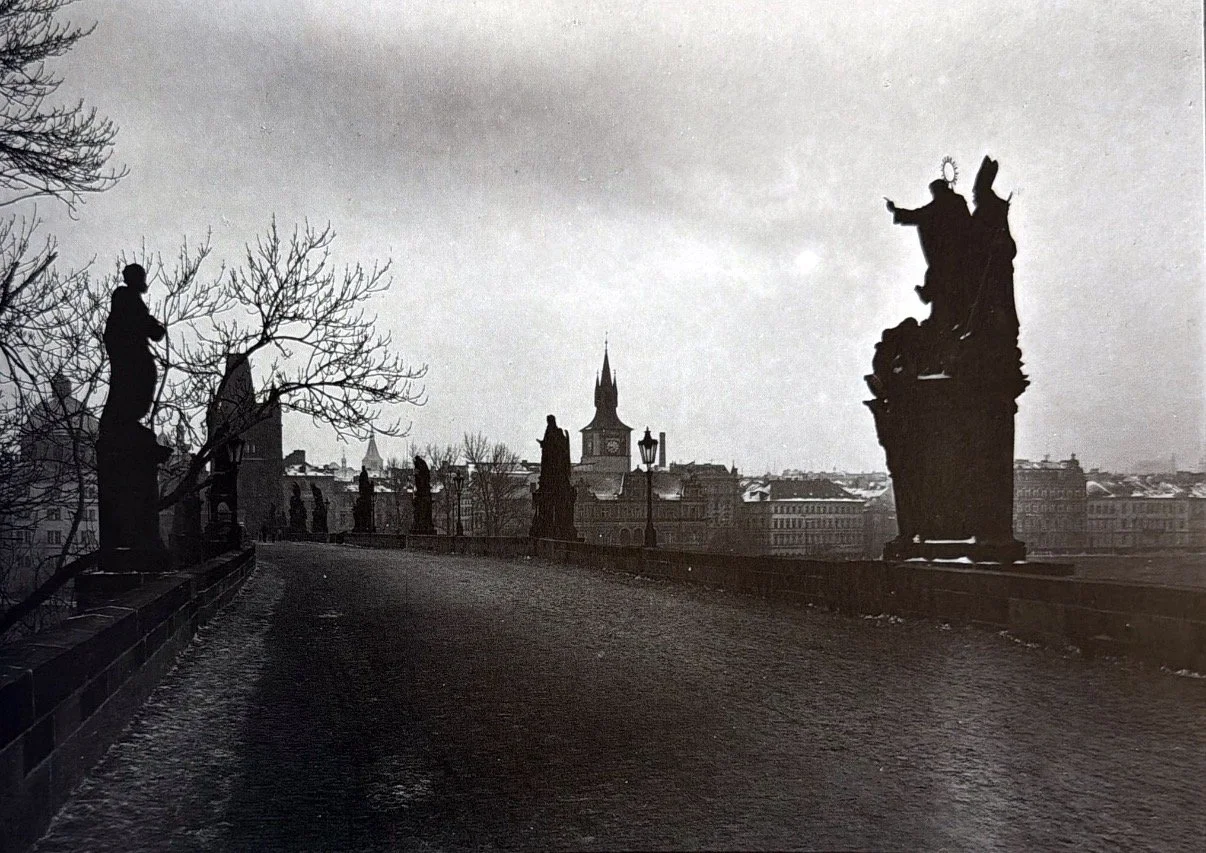
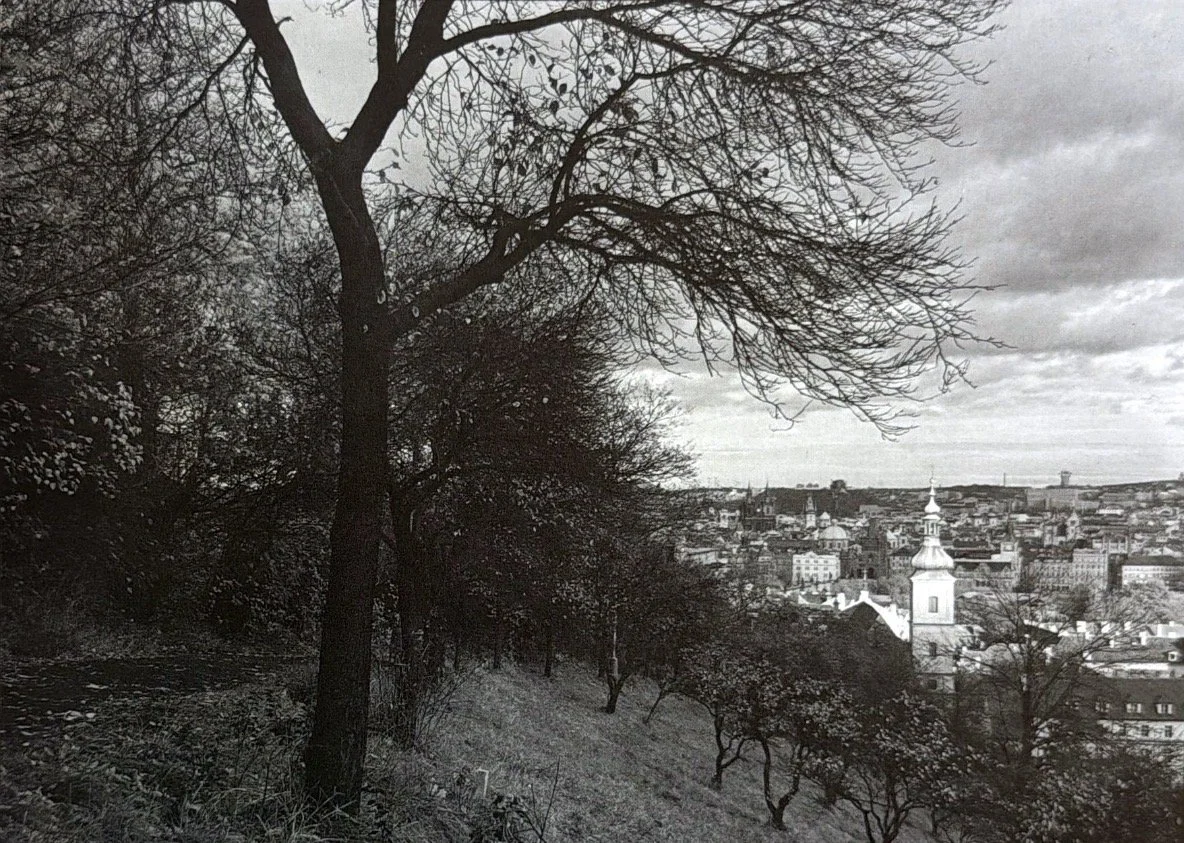
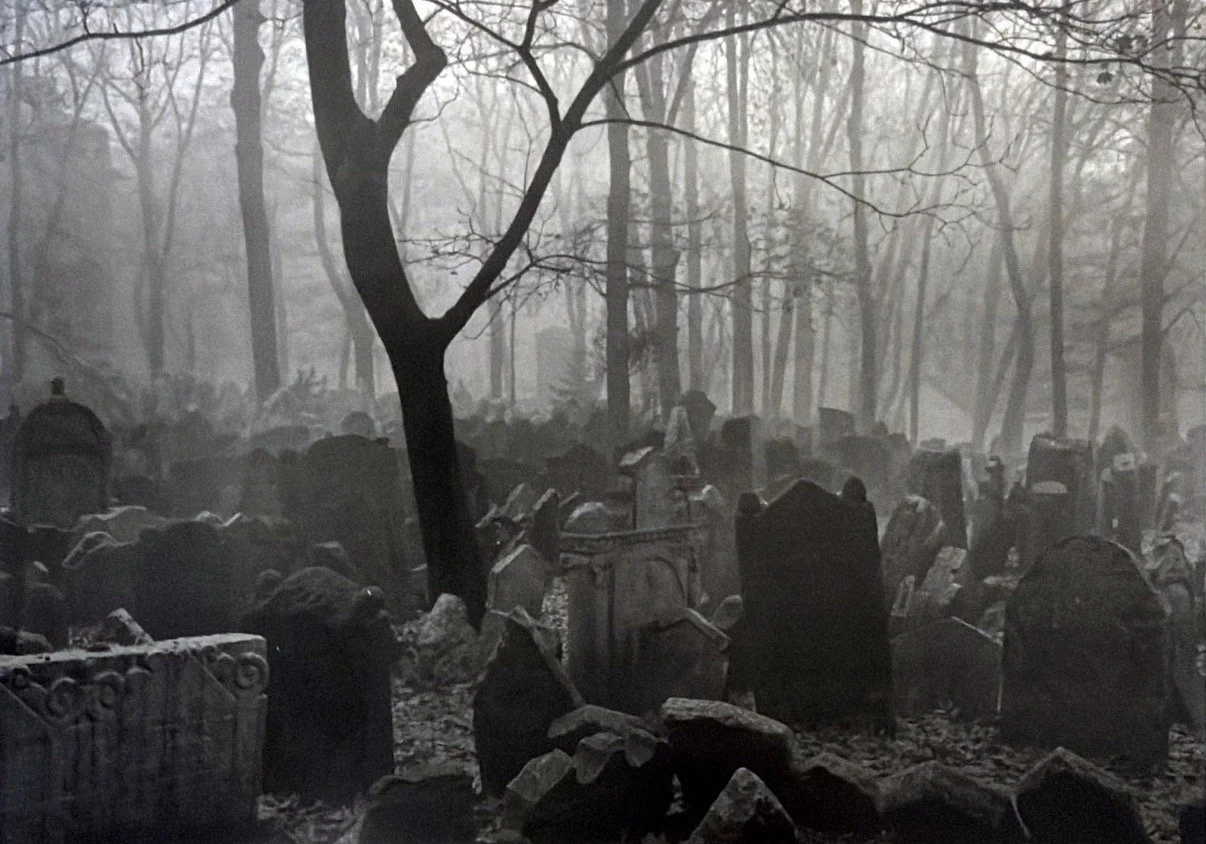
Vanishing Prague/Prague Series from 1980 to 2000s. Once he returned to Prague from Paris, Reich’s work shifted focus to landscape and architectural depictions that captured Prague during a time of political shifts and uncertainty, working to capture the beauty of the area before it was lost.
Bohemian Countryside by Sedlćany Series from 1999 to 2006. Reich bought a home in the countryside after his return to Prague, where he and his wife settled down when their children were born. He began documenting his family’s life in the countryside, as well as the local landscapes.
Bohemia Series from 1994 to 2000. With the fall of communism, Reich’s work became well known and he set out to document old architecture that seemed to have become part of the landscape across Bohemia, often returning to re-photograph the same place more than once.
Circus
Due to the political situation in the 1950s, Reich did not have the opportunity to attend secondary or post-secondary schools; as a member of bourgeois class he and his family were enemies of the regime, and Reich was sent to work as a manual laborer for several years. However, Reich eventually had the opportunity to work for a circus and in 1964, joined their traveling crew.
“In the meantime, I encountered the circus. That was a magic time of my life,” Reich recalls. For two years he traveled about Slovakia and Moravia, set up the circus, looked after the animals, and worked as an usher during the performances. “I worked on setting up the big top and was in charge of a crew of Gypsies. They didn’t listen to me, because they’re Gypsies and don’t listen to anyone,” he says, laughing. “They stole the bears’ meat and made steaks out of them. And when it was pay time, they got drunk, didn’t come to work, and then for several days they looked for the circus in the neighboring villages. That didn’t bother me. Everyone else curses them, but I recall them with fondness.”
Traveling with the circus gave Reich the opportunity he needed to focus on his first serious creative series. Since Reich with the performers, he knew many of them personally, and was able to capture them in a more intimate way, focusing on their humanity, a marked difference from the snapshots that had been captured of circus performers before. The calm, documentary style compositions he created were perfectly suited for large format photography. The gaze of the performer's eyes and closeness of their relationship to Reich can be sensed through these portraits.
It was not until after his travels with the group that he finally had the chance to join the Academy. From 1965-1970 he studied art photography at the Film and Television School of the Academy of the Performing Arts (FAMU) in Prague.
Circus Series, 1964-1965
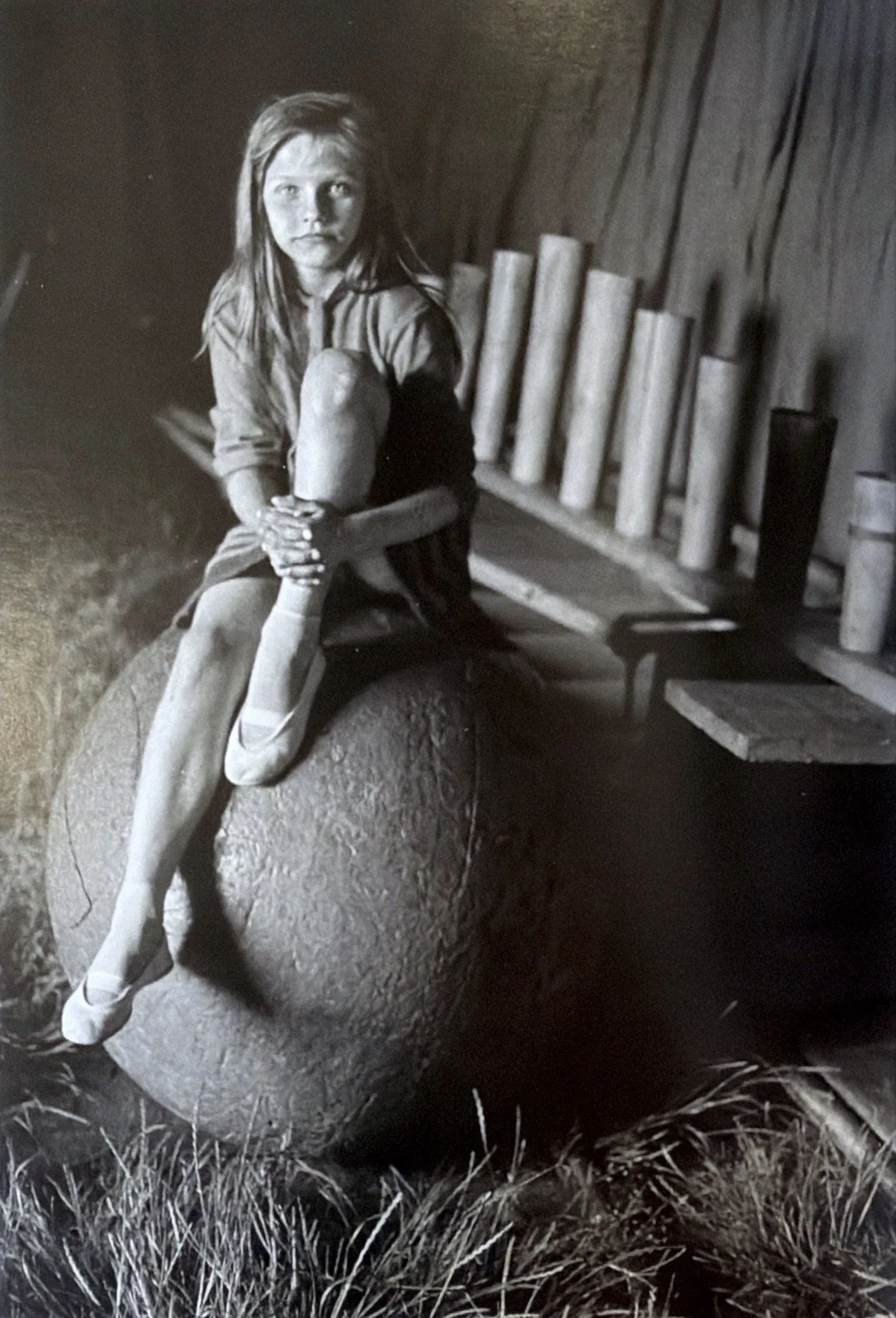
ARTIST
Jan Reich
TITLE
Renata
MEDIUM
Vintage Silver Gelatin Print
CREDIT LINE
Courtesy of FotoFest
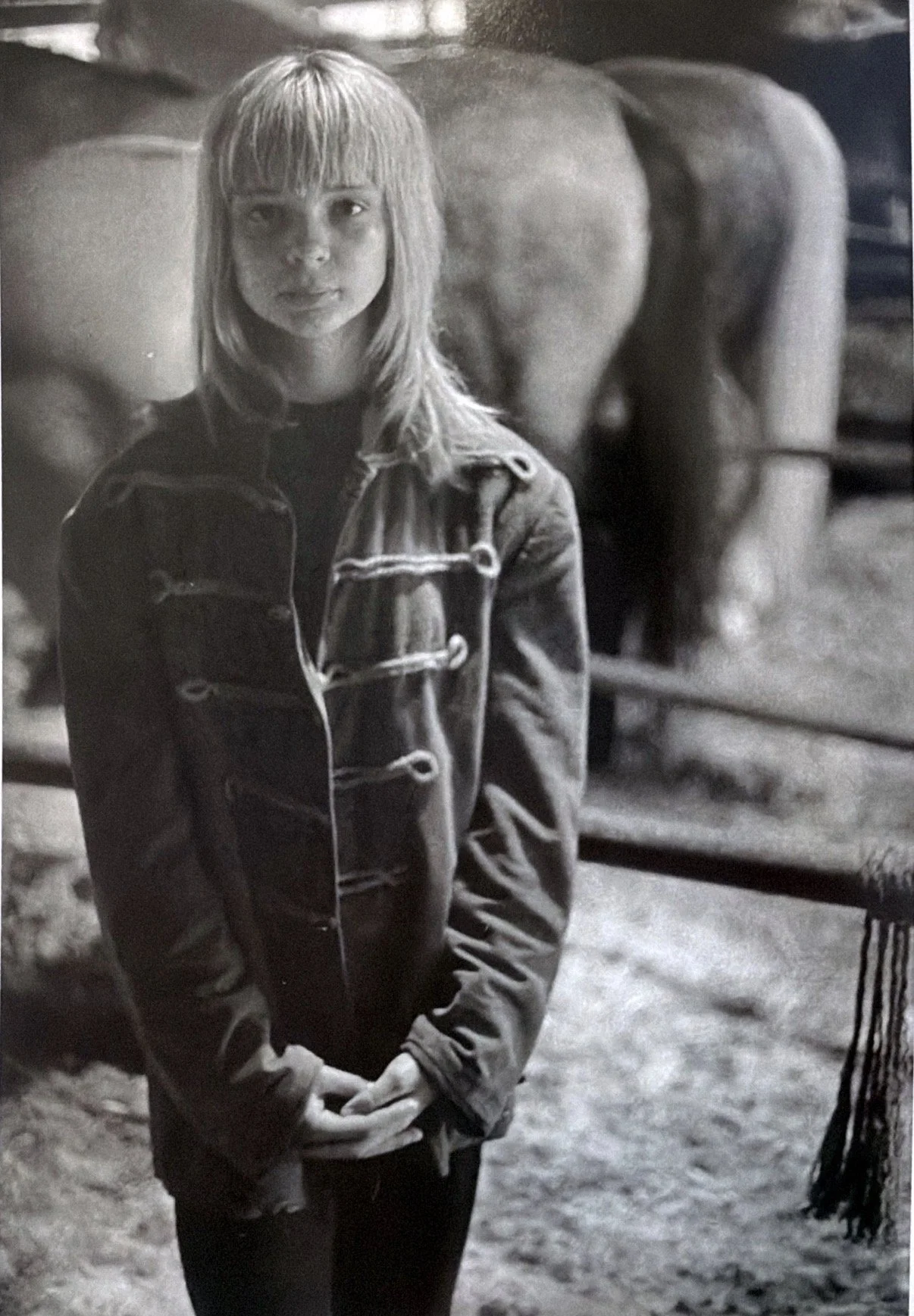
ARTIST
Jan Reich
TITLE
Berta in the Stable
MEDIUM
Vintage Silver Gelatin Print
CREDIT LINE
Courtesy of FotoFest
Disappearing Prague/Prague cycles
Reich returned to Prague from Paris after normalization in 1970, although he found continuing work with the same photography methods and subject matter impossible. When he graduated from college, he began his professional career by turning to capturing scenes from his childhood which he was sad to find gradually fading away. The outlying districts of Prague, Holešovice, Liben, Vysočany, were his primary subjects as he began his ‘Disappearing Prague’ cycle. Through his carefully composed black-and-white photographs, Reich captures abandoned factories, crumbling courtyards, neglected façades, narrow streets, and overlooked architectural details which were slowly vanishing during the past decades. Reich’s ‘Disappearing Prague’ cycle not only represents a significant artistic achievement in his career, but also captures an incredible historical record of a city in a state of major transformation.
His series were initially captured on photographic film and finished in the format 13x18 cm on a traditional wooden camera he acquired from the estate of Josef Sudek.
Prague Series, 1980-2000
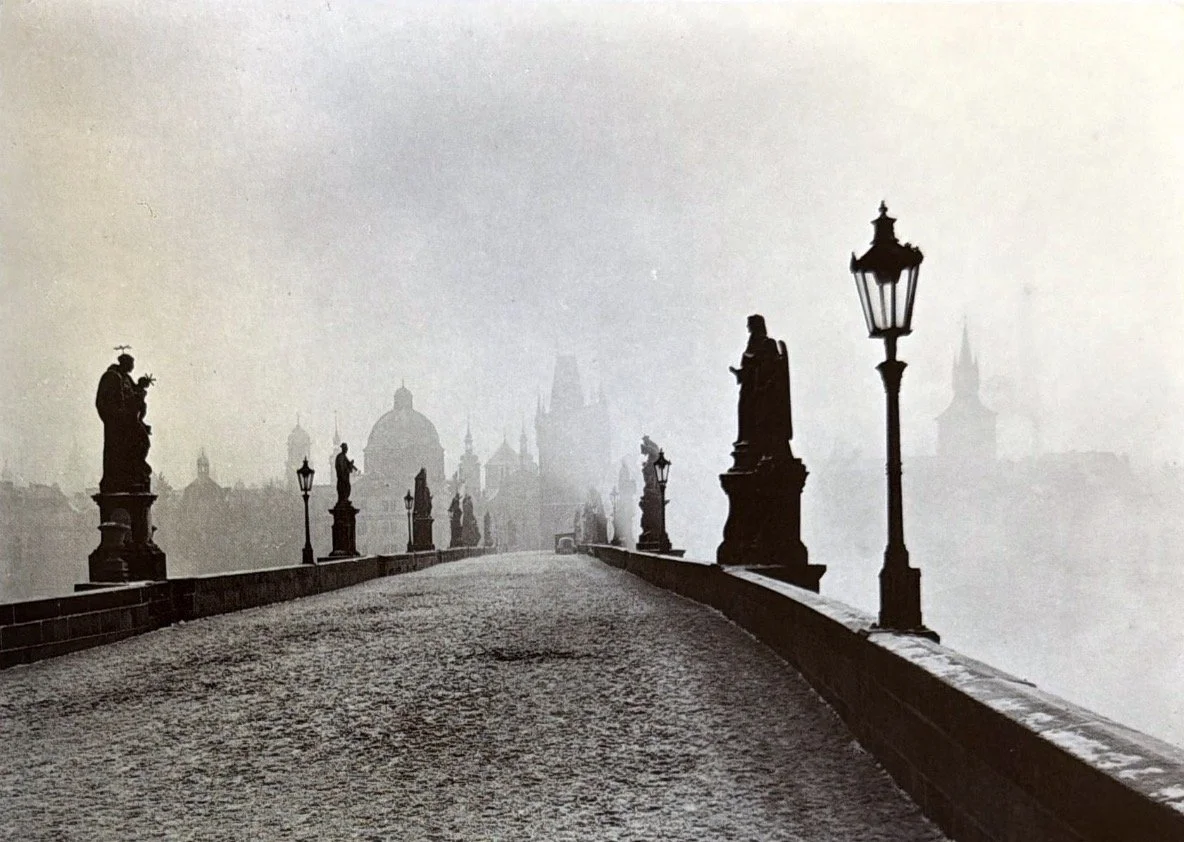
ARTIST
Jan Reich
TITLE
Charles Bridge I, 1986
MEDIUM
Vintage Silver Gelatin Print
CREDIT LINE
Courtesy of Jan Reich Estate
ARTIST
Jan Reich
TITLE
Charles Bridge II, 1986
MEDIUM
Vintage Silver Gelatin Print
CREDIT LINE
Courtesy of Jan Reich Estate
ARTIST
Jan Reich
TITLE
Church of Our Lady Victorious, 1986
MEDIUM
Vintage Silver Gelatin Print
CREDIT LINE
Courtesy of Jan Reich Estate
ARTIST
Jan Reich
TITLE
Old Jewish Cemetery, 1992
MEDIUM
Vintage Silver Gelatin Print
CREDIT LINE
Courtesy of Jan Reich Estate
Countryside
Reich’s work continued to evolve dramatically over the next few years. He met his wife Jana Reichová (born 1954). Jana was a key supporter of his work and helped to curate his legacy. She also managed the Galerie Nový Svět in Prague, which she founded in 1994, and later established a publishing house to promote his photography. They bought a house in the country and Reich’s artistic focus shifted to the documentation of values of the Czech countryside. For the next thirty years, he continued to use large-format, wooden cameras to capture the landscape of Sedlčany county, where he and his wife moved after their children were born.
The photos in this series were captured over several decades and are comprised of the Czech countryside, and the many subjects surrounding it, with its historical sites making up the body of this work, including rural interiors, still life studies, portraits of local people, and his family.
Bohemian Countryside by Sedlćany, 1999-2006
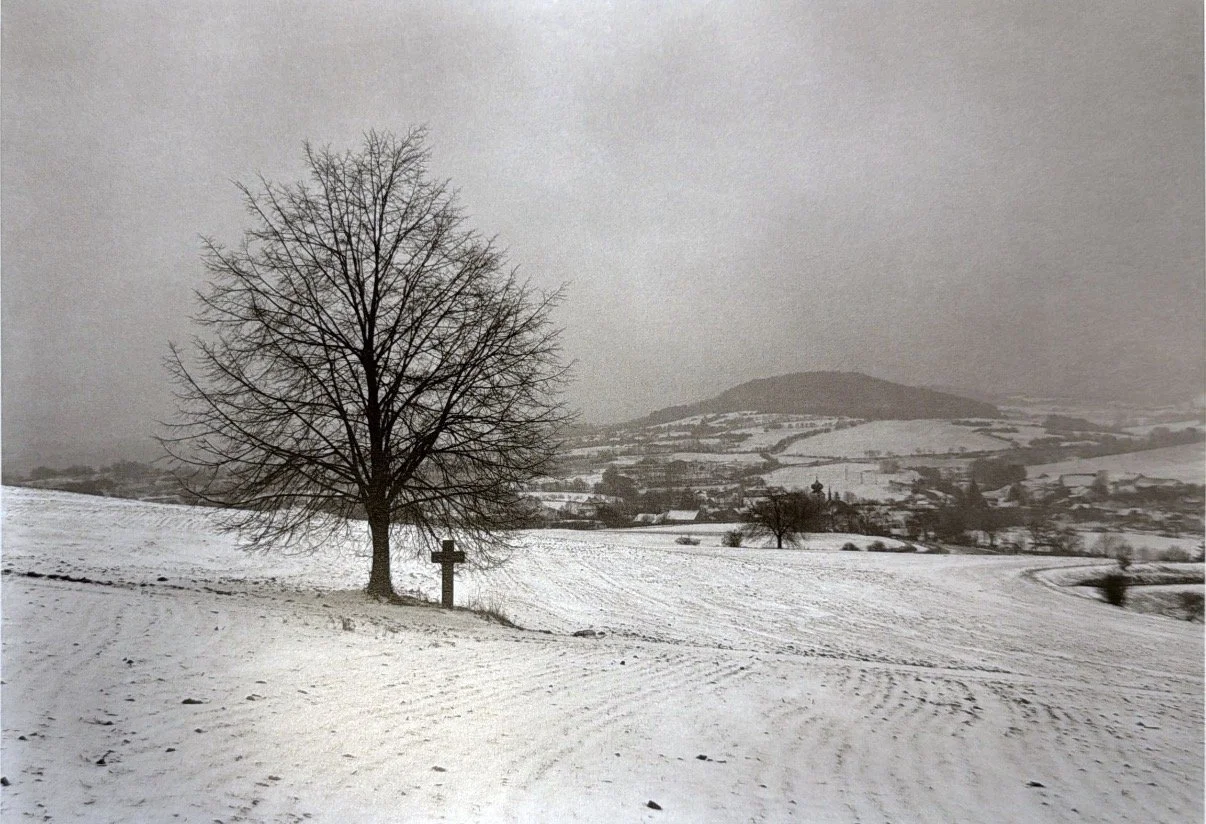
ARTIST
Jan Reich
TITLE
Above Počepice, 1999
MEDIUM
Vintage Silver Gelatin Print
CREDIT LINE
Courtesy of Jan Reich Estate
Bohemia
After 1989, he started photographing sites throughout Czechoslovakia with his large-format wooden camera; for nearly a decade, Jan Reich traveled to all parts of Bohemia, intent on capturing famous landmarks as well as places unknown and almost lost to the world as well as historical and spiritual spaces. His aim was to capture Bohemia in its forgotten glory, featuring landscapes and cityscapes littered with dead leaves and the last of the season's snow, winding paths, towers and walls overgrown with ivy, and graves whose shapes are becoming smudged around the edges, slowly crumbling into a long forgotten memory. Although these forgotten landscapes are no longer inhabited, Reich highlights them with his lens. By capturing these sites before they are gone, he helps to create an important record of the past.
As recompense for his hard work, Jan and his wife worked to publish a book, a selection of 150 photographs, Bohemia, which was published in 2005. These photos were from the Bohemian countryside, taken over the course of nearly a decade from 1994 to 2004. The book was recognized with the Magnesia Litera - Book of the Year award.
Bohemia Series, 1994-2000
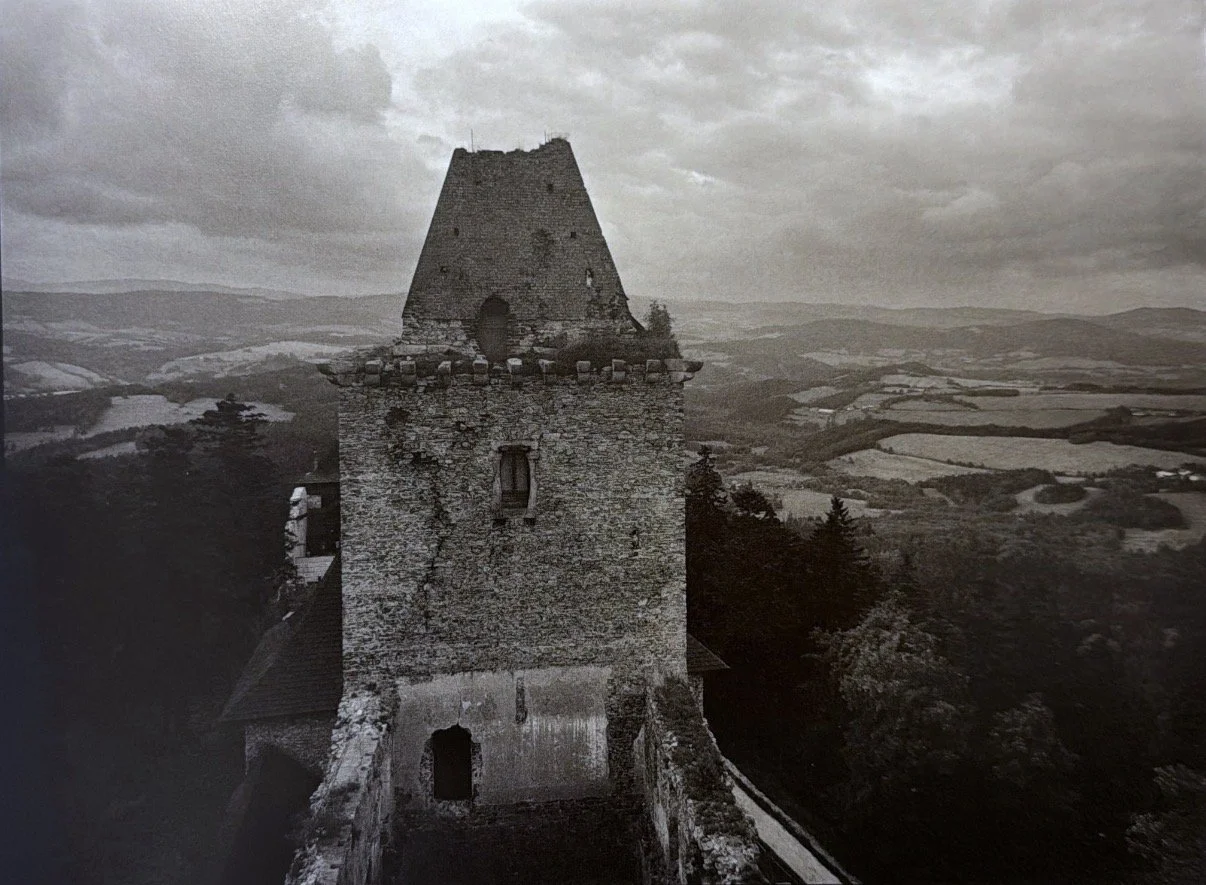
ARTIST
Jan Reich
TITLE
Kašperk, 1995
MEDIUM
Vintage Silver Gelatin Print
CREDIT LINE
Courtesy of Jan Reich Estate
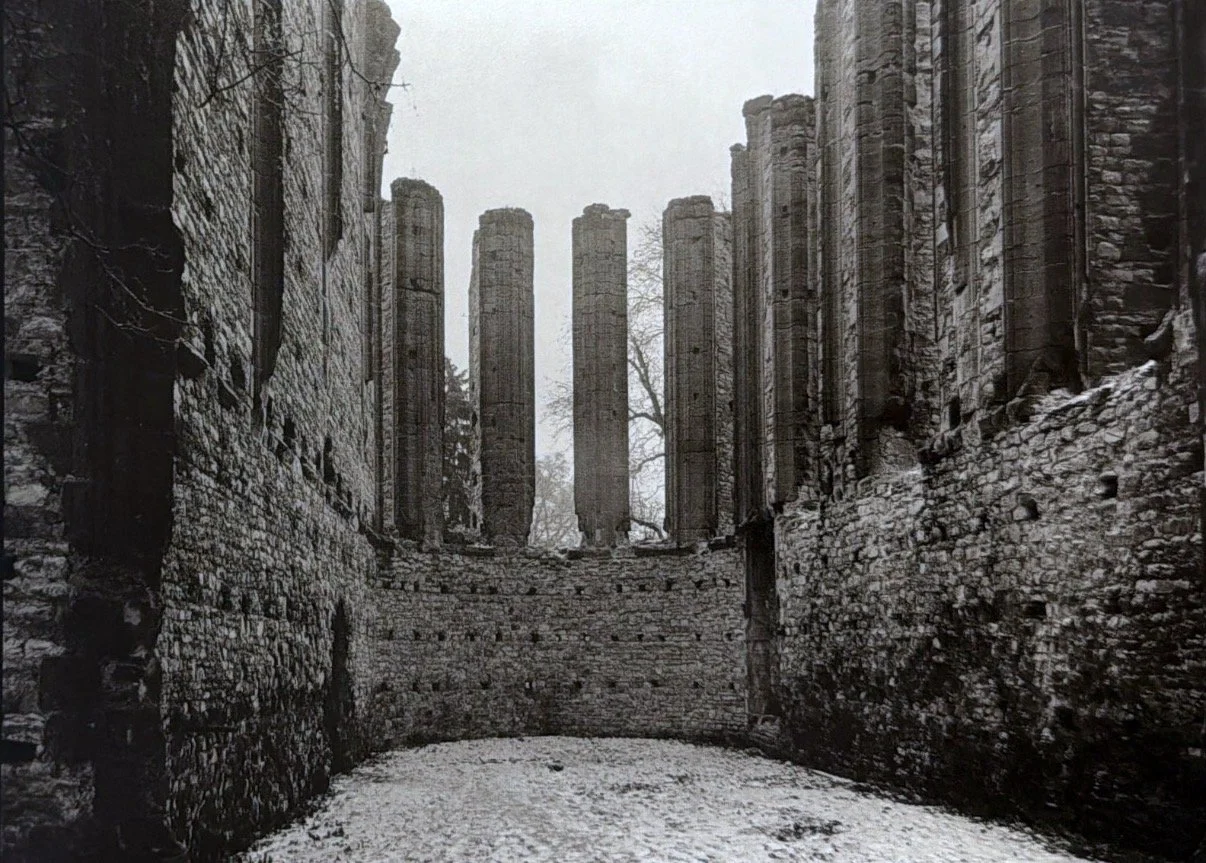
ARTIST
Jan Reich
TITLE
Panenský Týnec
MEDIUM
Vintage Silver Gelatin Print
CREDIT LINE
Courtesy of Jan Reich Estate and Tom Van de Ven
Still Life with Abstract
In Jan Reich’s final collection he begins one of his last series, still lifes of abstract composition. Perhaps the reason for this was his inability to travel as frequently in his old age, but the stillness of this time of his life allowed him to reflect on the internal. This collection is full of contrasts between light and shadow, the haunting shapes give way to mystery in our imaginations. Several of these contain forms or shapes that create a sense of body, leading the viewers to reflect on the human form.
Without the continuous need to travel, Reich focuses on capturing the mysteries within. Abstraction allows audiences the opportunity to appreciate the piece for its simplicity, to apply their own deeper meanings to the works, but also to allow the works to stand powerfully in their simplicity. Through these works we see how the artist has reached to a pinnacle in his craft. He has set aside the unnecessary bits and left only the raw, essential pieces to create his works; perhaps taking this time to glean deeper meaning onto these objects, that would be seen as mundane to some, inviting the viewer to engage directly with form, light and shadow.
Reich reached new heights of restraint and control in this series. His focused now shifts to what viewers do not usually see at face value, audiences have a chance to see his vision of raw light, shadow, and the simplistic forms of domestic objects. By lingering over what others might overlook, he uncovers a depth in the mundane and transforms it into something profound.
Still Lives-Abstract Series, 2005-2007
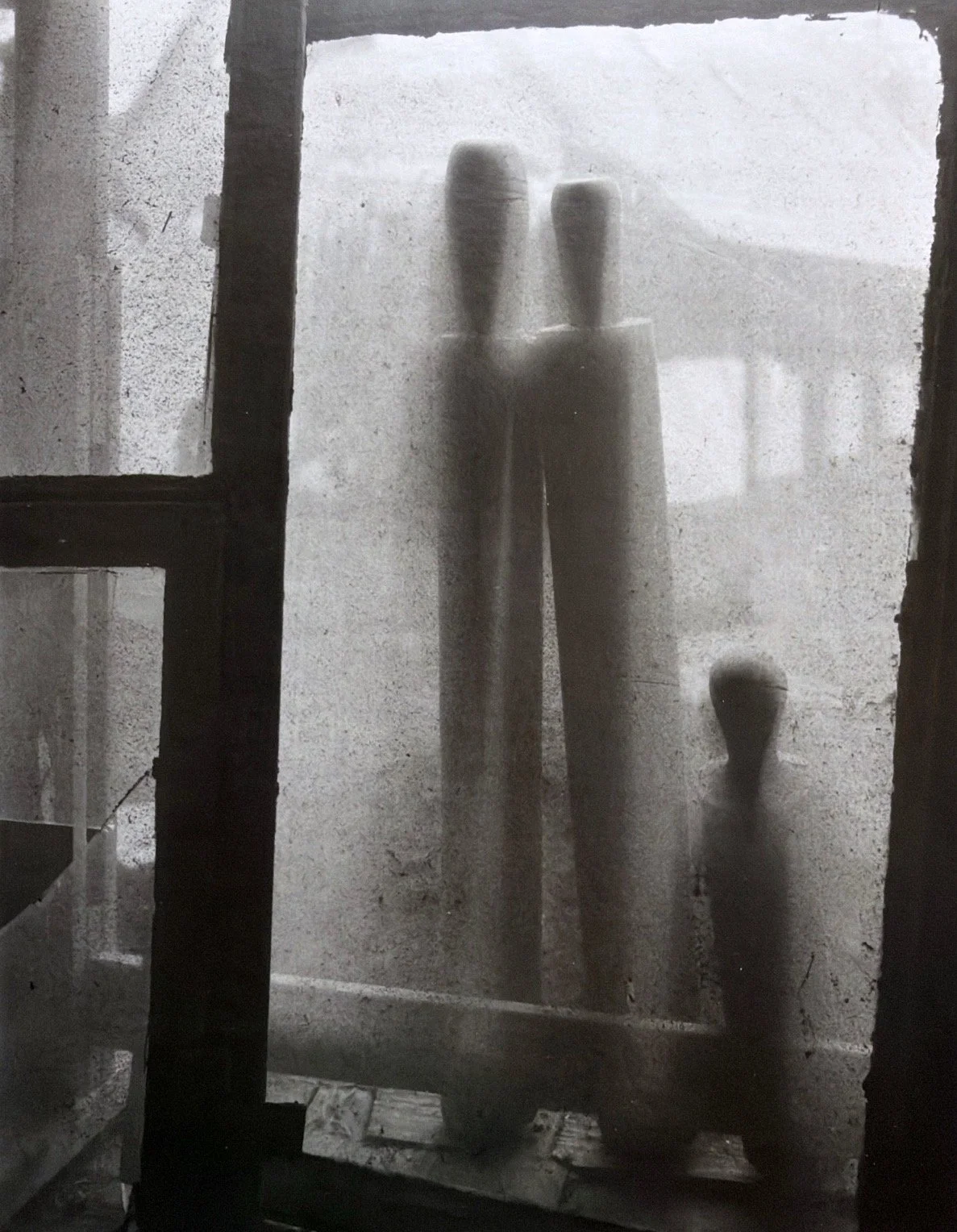
ARTIST
Jan Reich
TITLE
Still life, 2005
MEDIUM
Vintage Silver Gelatin Print
CREDIT LINE
Courtesy of Tom Van de Ven
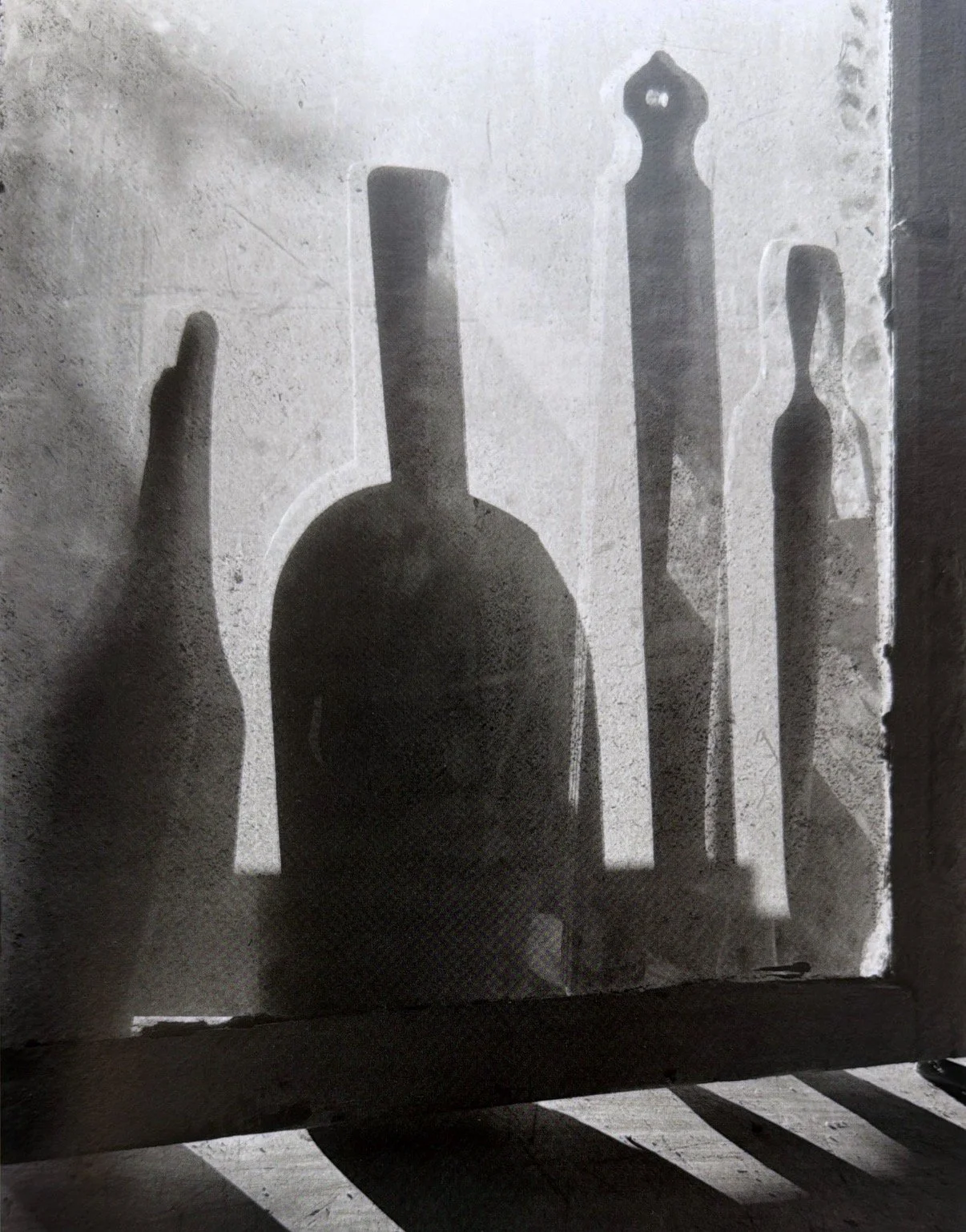
ARTIST
Jan Reich
TITLE
Still life, 2007
MEDIUM
Vintage Silver Gelatin Print
CREDIT LINE
Courtesy of Tom Van de Ven
Written by Erin Marashi and Tria Van Horn